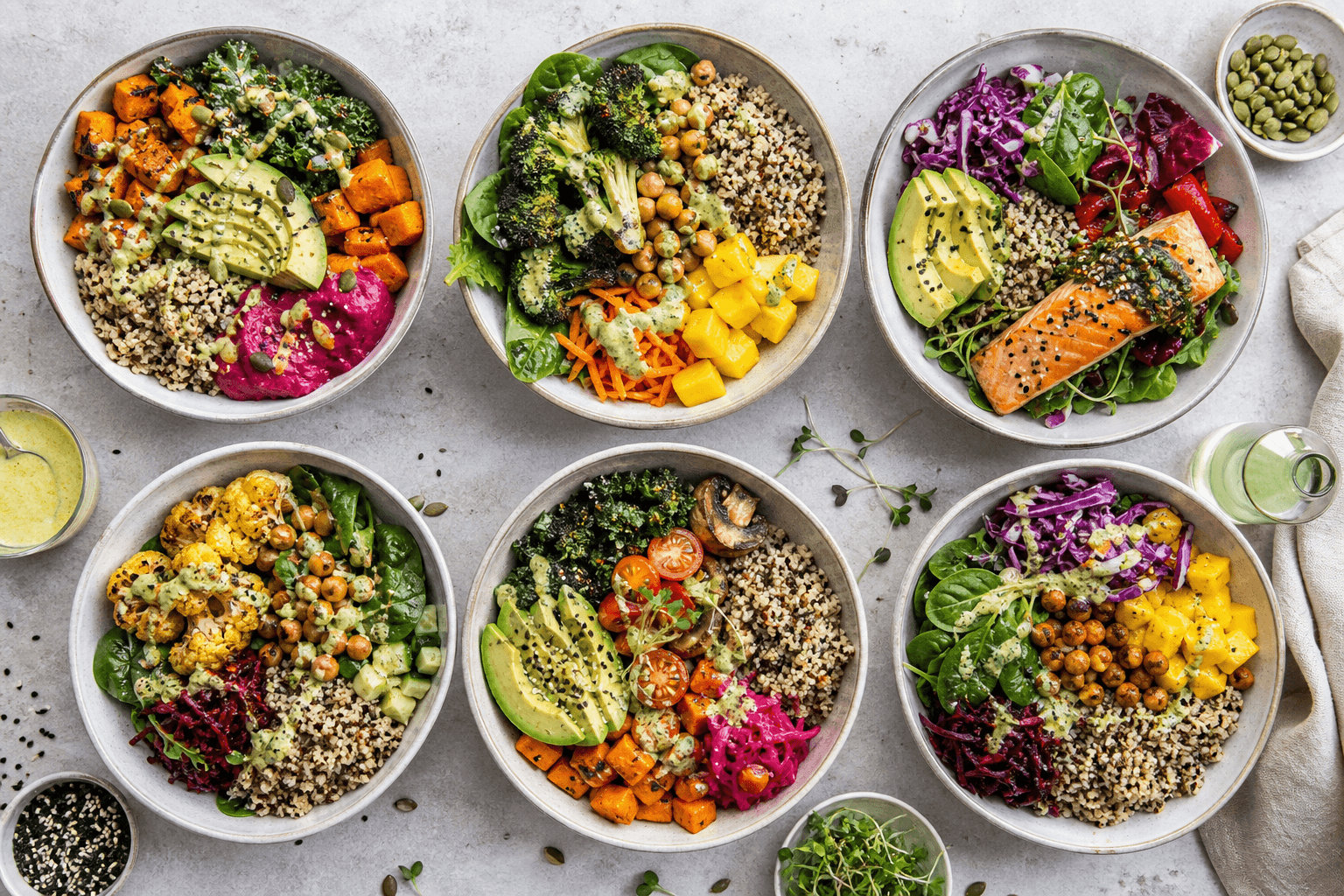
Food and menu pricing
$12–$75 per person
Cuisine, staffing, rentals and tax can change the final total. Gratuity is optional at payment.
LunchLink catering services
LunchLink is a managed catering marketplace for Toronto and GTA workplaces. Plan one-time boardroom lunches, training meals, conferences and receptions or daily, weekly and monthly meal programs through approved restaurant partners—with one team managing menu variety, delivery, payment and invoicing.

Owner-confirmed service facts
LunchLink is a managed catering marketplace for one-time events and flexible recurring meal programs. It matches the brief to approved restaurant partners and manages the menu, delivery, payment and invoicing workflow.
Commercial facts approved August 15, 2026; final menu and availability are confirmed in writing.
Food and menu pricing
Cuisine, staffing, rentals and tax can change the final total. Gratuity is optional at payment.
Order size
LunchLink can coordinate multiple approved partners for high-volume programs and events.
Standard delivery
Includes floor delivery, parking, basic setup in LunchLink's approved service areas.
Urgent requests
LunchLink accepts same-day and last-minute requests with at least four hours' notice. The menu, partner, route, capacity and delivery time must be confirmed before the order is accepted.
Supplies and service
$0.5 per guest for a disposable plate, cutlery and napkin set. Staffing and cleanup are $20 per hour per person; rentals and chafing equipment are quoted separately.
Payment and invoicing
Credit card, EFT or bank transfer, cheque and approved invoicing are available. The final payment schedule is written into the quote.
LunchLink can source halal, vegetarian, vegan, gluten-aware and nut-aware options. Share allergies and every dietary requirement before menu selection; ingredients, substitutions, kitchen practices and cross-contact risk are confirmed with the selected partner. LunchLink does not make a universal allergen-free guarantee.
Verified restaurant records
These profiles are selected from current approved restaurant data. Menu, price, minimum, dietary status, delivery route, capacity and acceptance are reconfirmed for every request.

Global Cuisine · Catering · Vegetarian
Global workplace catering and the supplied 2026 festive menu: breakfast boxes, celebration lunches, buffets and reception bites. Ingredients, dietary requests and service availability are confirmed in the quote.
Toronto

Burgers · Chicken Burgers · Fries · Milkshakes · Halal
Made-to-order premium burgers, Boardwalk-style fries, poutine, chicken, veggie burgers, wings, desserts, and creamy milkshakes from an all-halal Canadian menu.
Scarborough


Mediterranean · Breakfast · Cafe · Pizza · Pasta · Vegan
Mediterranean-inspired cafe serving breakfast, shakshuka, salads, Jerusalem bagel toasts, sandwiches, pasta, pizza, coffee, smoothies, and vegan and gluten-free options.
Breakfast catering
Vaughan

Persian · Burgers · Sandwiches · Catering · Halal
Persian-inspired halal burgers, cutlet and falafel sandwiches, loaded fries, family boxes, and catering boxes for workplace groups.
Richmond Hill

Compare current restaurant profiles related to this service.
Browse relevant LunchLink partnersA clearer catering brief
LunchLink keeps the commercial, menu, workplace, and dietary details in one planning conversation so the accepted option is practical on delivery day.
Start a requestOccasion, headcount, eating time, budget range, and preferred serving style.
Address, reception or loading instructions, room details, and the onsite contact.
Current dishes, minimum order, lead time, packaging, serviceware, and partner route.
Dietary requirements, ingredient questions, labelling needs, and distribution details.
Built around the workplace
The same LunchLink planning structure flexes around the occasion, the workplace, and the limits confirmed for each current option.
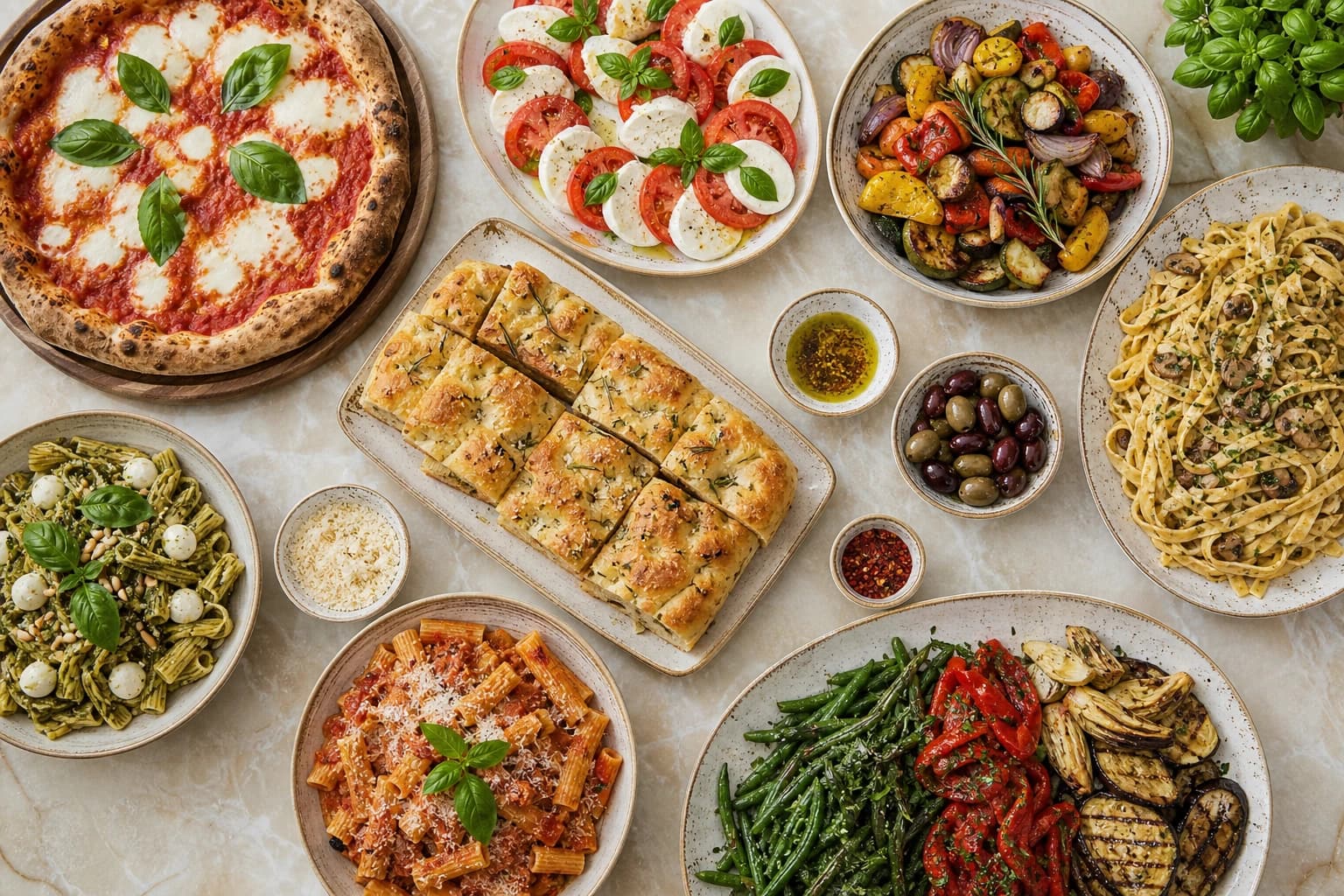
Workplace-ready planning
The room, arrival route, serving format, and onsite handoff are planned alongside the menu.
Use one managed brief for boardroom lunches, client meetings, training days, conferences, receptions, individual meals or buffets. LunchLink compares suitable approved partners and keeps the menu, timing, dietary notes and delivery responsibilities in one order workflow.
Recurring catering adds a cuisine rotation, employee selections, dietary updates, repeat building instructions, flexible invoice cadence and post-service feedback. LunchLink can coordinate programs for offices, schools, churches, film productions and other organizations.
The partner network creates menu variety and capacity beyond a single kitchen. LunchLink manages delivery across approved GTA service areas, offers credit card, EFT or bank transfer, cheque and approved invoicing, and gives the organizer one professional point of coordination.
Food and menu pricing ranges from $12 to $75 per person. Standard delivery is $40 and includes floor delivery, parking and basic setup. Disposable plate, cutlery and napkin sets are $0.50 per guest; staffing and cleanup are $20 per hour per person; rentals, chafing equipment and tax are quoted separately.
Compare corporate catering
Compare one-time boardroom meals, training days, conferences, receptions and daily, weekly or monthly programs on one brief. LunchLink manages approved partners, GTA delivery, payment and invoicing for groups from 10 to 1,000+.
Separate a boardroom lunch, training day, client meeting, all-hands event and recurring program because each creates a different schedule, room and service requirement.
Start with the $12–$75 per-person food range and $40 standard delivery, then compare beverages, $0.50 disposable sets, $20 hourly staff, rentals, tax, change cutoffs and cancellation terms on the same written brief.
Confirm the complete address, tower or unit, entrance, security, loading or parking, elevator, room, delivery window and named onsite receiver.
Frequently asked
LunchLink food and menu pricing currently ranges from $12 to $75 per person. Standard delivery is $40 and includes floor delivery, parking and basic setup. Cuisine, staffing, rentals and tax can change the final total; gratuity is optional at payment.
Include the occasion, date, eating time, delivery window, full address, headcount, budget range, preferred format or cuisine, dietary requirements, building access, onsite contact, setup needs, and decision deadline.
Requirements can be collected in the same brief so current dishes, labels, ingredients, kitchen practices, and cross-contact questions can be checked. No kitchen or item is described as allergen-free unless that status is specifically verified.
Share the occasion, headcount, address, date, timing, budget, serving format, and dietary requirements. LunchLink reviews suitable current options and confirms the details before acceptance.
LunchLink accepts same-day and last-minute requests with at least four hours' notice. The selected partner, menu, route, capacity and requested delivery time still require confirmation before the order is accepted.
LunchLink accepts same-day and last-minute requests with at least four hours' notice. The partner, current menu, route, capacity and requested delivery time must be confirmed before the order is accepted.
Yes. LunchLink publishes a 10-person minimum and can coordinate 1,000+ guests through multiple approved partners when needed. The production, delivery and service plan is built for the specific event.
Potential options depend on the selected menu and kitchen practices. Share every requirement so ingredients, substitutions, labelling, and cross-contact information can be reviewed.
2026 holiday & employee meals
Compare Chefry’s breakfast boxes, celebration lunches and buffets, or prepare meal counts and serving windows for retail, warehouse and support-team shifts. Menu, delivery and holiday availability are confirmed in your quote.
Related planning paths
Each destination covers a separate service, format, location, or planning question so the guidance stays focused.
Ready to plan?
LunchLink can use Google Tag Manager and a short allowlist of conversion events to understand public-page and request-path performance. Analytics and advertising storage stay denied until you choose otherwise. Advertising measurement can connect an accepted request to its campaign and build consented audiences; form answers are never placed in the data layer. Essential features work either way. Read the website privacy notice.
No analytics choice has been saved.