01
The brief
Occasion, headcount, eating time, budget range, and preferred serving style.
LunchLink catering services
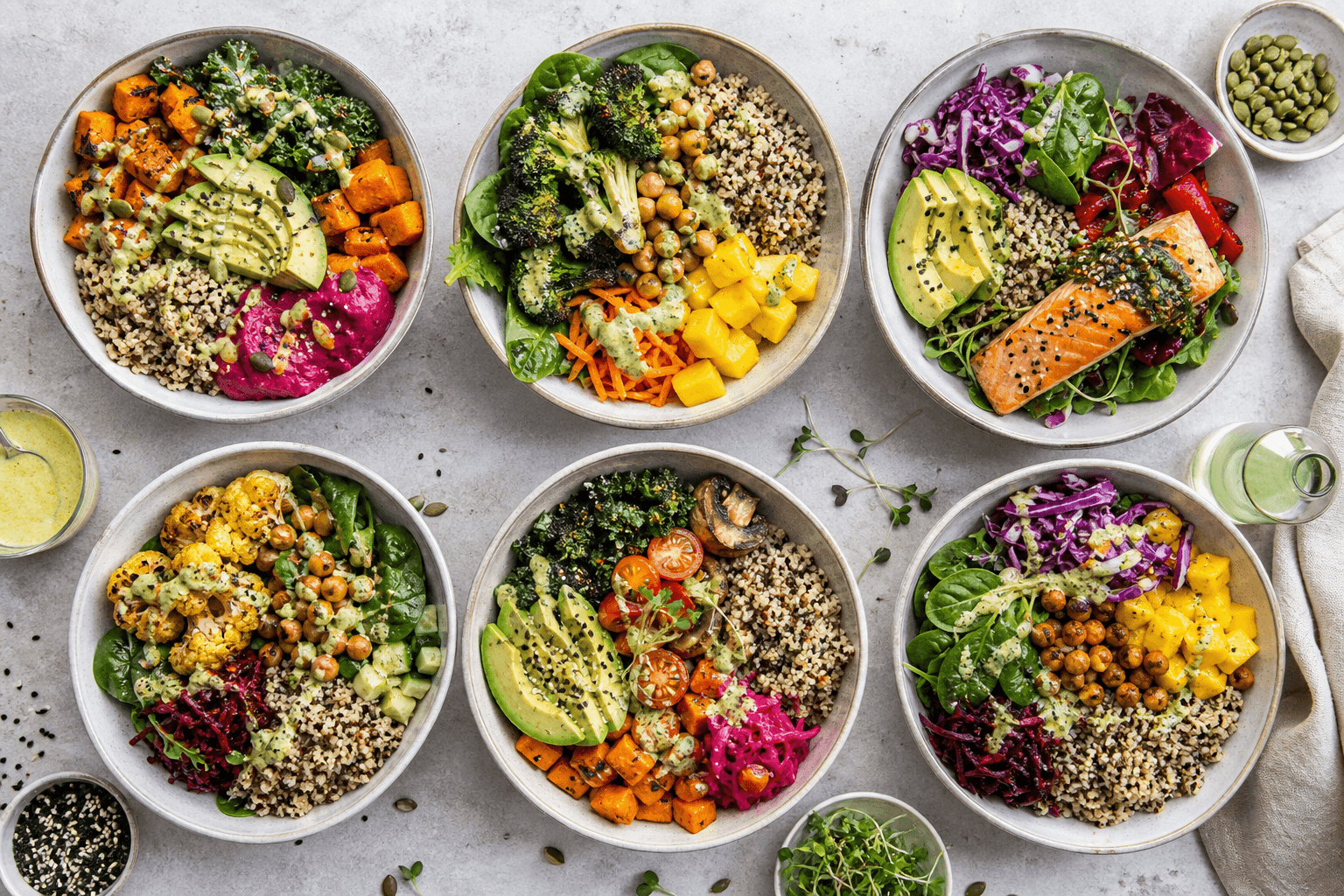
Healthy means different things to different teams. LunchLink starts with the practical preference—lighter meals, more vegetables, protein-forward options, vegetarian choices, or clearer ingredients—then checks suitable current menus.
Compare current restaurant profiles related to this service.
Browse relevant LunchLink partnersA clearer catering brief
LunchLink keeps the commercial, menu, workplace, and dietary details in one planning conversation so the accepted option is practical on delivery day.
Start a requestOccasion, headcount, eating time, budget range, and preferred serving style.
Address, reception or loading instructions, room details, and the onsite contact.
Current dishes, minimum order, lead time, packaging, serviceware, and partner route.
Dietary requirements, ingredient questions, labelling needs, and distribution details.
Built around the workplace
The same LunchLink planning structure flexes around the occasion, the workplace, and the limits confirmed for each current option.

Workplace-ready planning
The room, arrival route, serving format, and onsite handoff are planned alongside the menu.
LunchLink does not label a dish healthy because of one ingredient. Proposed menus should be assessed using the team’s actual preferences and available menu information.
A lighter menu is not automatically vegan, gluten-free, allergen-free, or suitable for a medical diet. Those requirements are collected and confirmed independently.
Frequently asked
Nutrition and ingredient information varies by partner. LunchLink can request the information needed for planning but does not invent unavailable nutritional data.
Many bowl, salad, and plate formats can be individually packed, subject to the selected menu and order requirements.
Share the occasion, headcount, address, date, timing, budget, serving format, and dietary requirements. LunchLink reviews suitable current options and confirms the details before acceptance.
Lead time depends on the service format, restaurant, group size, menu, date, and address. More notice provides more time for dietary review, capacity planning, and delivery coordination.
Potential options depend on the selected menu and kitchen practices. Share every requirement so ingredients, substitutions, labelling, and cross-contact information can be reviewed.
Commercial terms vary by restaurant, menu, address, timing, and order size. LunchLink confirms current pricing and applicable fees before the arrangement is finalized.
A submitted request is not automatically an accepted order. Changes may be reviewed before confirmation, while changes after acceptance depend on the restaurant’s cutoff, capacity, and agreed terms.
Provide the complete address, building access, floor or room, delivery window, and onsite contact. These details help establish a realistic handoff plan for the confirmed restaurant.
Ready to plan?
LunchLink can use Google Tag Manager and a short allowlist of conversion events to understand public-page and request-path performance. Analytics and advertising storage stay denied until you choose otherwise. Advertising measurement can connect an accepted request to its campaign and build consented audiences; form answers are never placed in the data layer. Essential features work either way. Read the website privacy notice.
No analytics choice has been saved.