Guides
7 breakfast catering menu ideas for Toronto office meetings
Seven practical breakfast catering menu ideas for Toronto offices, with portions, service formats, dietary labelling, delivery timing and a quick checklist.
August 8, 2026 · Yash Patel
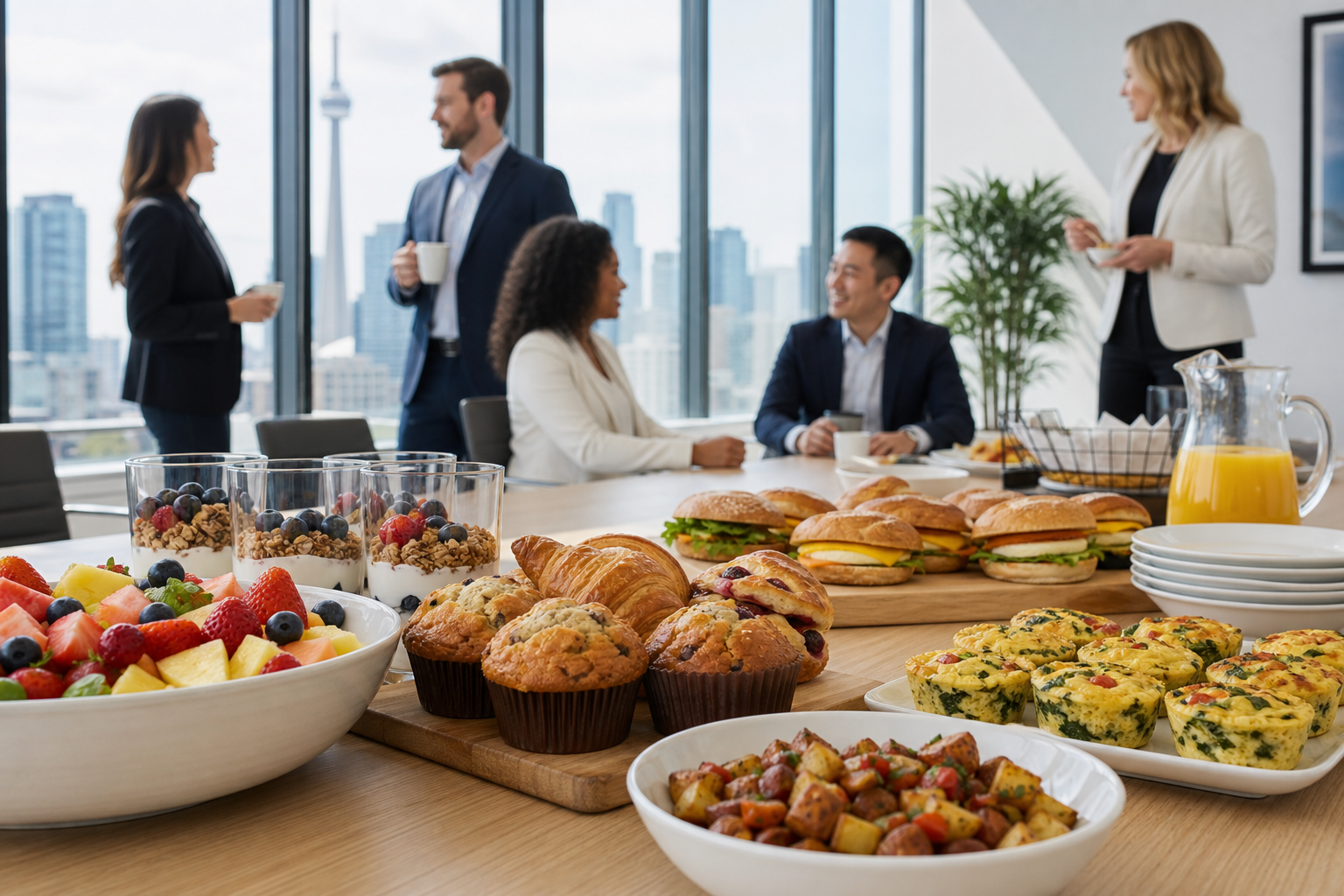
7 breakfast catering menu ideas for Toronto office meetings
Choosing the right breakfast catering menu for a Toronto office means balancing taste, timing and dietary needs. Below are seven practical, office-ready menu ideas with clear guidance on when to use each, portion targets, service formats, labelling and Toronto-specific logistics. If you want ready-made breakfast options in the GTA, see LunchLink's dedicated page for breakfast catering Toronto.
Before you pick a menu: quick decision checklist
Run through these items first to narrow your choices.
• Start time and delivery window: should food be ready before staff arrive, at a meeting start, or during a break? Industry guidance recommends food be on-site before arrival to avoid delays and wasted meeting time, and organisers should plan for setup time in the delivery window (office breakfast catering what to order how to set it up and what actually goes wrong).
• Guest count band: small 10 to 25, medium 25 to 100, large 100 to 500 plus.
• Service format: boxed for tight distribution, buffet for variety, build-your-own for interactive options.
• Dietary mix: note proportions of halal, vegan, gluten-free and nut-free requirements so you can request labelled trays and separate packaging.
• Budget band: per-person pricing varies with hot items and proteins. Breakfast food costs tend to be lower than dinner costs, which helps stretch budgets (CaterCamp).
• Logistics: elevator access, loading dock, serving table space and waste disposal points.
The 7 menu ideas: what to order and when to use each one
1. Continental spread with build-your-own stations
What it is: A self-serve buffet with assorted pastries, artisan breads, seasonal fruit, tubs of yogurt, granola, a cereal selection and a small hot option like porridge. Add a toppings bar for yogurts and oatmeal to increase variety.
Best for: 25 to 250 guests, mornings where attendees arrive over a 30 to 60 minute window.
Service format and setup: Buffet or self-serve stations. Staff deliver and arrange platters so guests can browse. Provide separate utensils and tongs for each tray and clear signage.
Portion guidance: Plan 1.2 pastries per person and one fruit portion per person. For yogurt and granola, estimate one 6 ounce serving per person.
Dietary notes: Offer at least two vegan pastry or bread options and a gluten-free bread or muffin. Label every tray with ingredient highlights and common allergens.
Why choose this: Versatile and low prep, good when you want broad appeal and light eating.
2. Hot breakfast bowls for a protein-forward meeting
What it is: Individually plated or insulated bowls with scrambled eggs or tofu scramble, roasted vegetables, a grain base and a choice of proteins such as turkey, halal chicken or smoked salmon. Bowls can be hot on delivery or kept warm with chafing where allowed.
Best for: 10 to 100 guests, meetings that start early and include a working breakfast where attendees need sustained energy.
Service format and setup: Individually portioned hot bowls for simple distribution, or a hot buffet with staff serving from heated containers. For larger groups include insulated carriers and a brief on-site setup window.
Portion guidance: Aim for 12 to 16 ounce bowls with 20 to 30 grams of protein per portion. If offering multiple protein choices, make at least 50 percent the default protein and 25 percent each for alternatives.
Dietary notes: Offer a plant-based bowl and label clearly. Request separation of vegetarian and meat prep stations when ordering halal options to reduce cross-contact risk.
Why choose this: Best when attendees need a filling, plated meal and you can accommodate a short setup window.
3. Individually boxed breakfasts for simple distribution
What it is: Individually packaged meals that include a sandwich, wrap or grain bowl, a piece of fruit, a snack and a bottled beverage or boxed juice. Boxes simplify distribution and waste management, and they make dietary segregation straightforward because each box is labelled.
Best for: 10 to 500 plus guests, remote or hybrid teams, events with staggered arrivals or strict distancing requirements.
Service format and setup: Delivered on racks or in boxes for front desk pickup, or placed at desks for large offices. Individually boxed formats are often available for same-day orders with short lead times.
Portion guidance: One box per person. For mixed diets prepare a breakdown that matches RSVP choices plus a small buffer of 5 to 10 percent for last-minute guests.
Dietary notes: Use clear labelling on each box with the main protein and allergen callouts. This format is the simplest way to guarantee that a vegan, halal or gluten-free guest receives the correct meal.
Why choose this: Choose boxed breakfasts when you need fast distribution and precise control over who gets what, or when you expect same-day ordering needs. For Toronto offices consider delivery racks and lobby pickup to avoid elevator congestion. For ideas and booking options see LunchLink's breakfast catering Toronto page.
4. Healthy grain and salad bowls for wellness-focused teams
What it is: Warm grain bowls and protein-forward salads with mixed greens, quinoa or farro, roasted vegetables and options like grilled salmon, chickpea falafel or grilled chicken. Dressings served on the side maintain freshness.
Best for: 15 to 200 guests, recurring office programs and teams that prioritise nutrition and variety.
Service format and setup: Buffet with labelled bowls or individually plated for cleanliness. Dressings in squeeze bottles reduce spills and speed service.
Portion guidance: Plan 10 to 12 ounce portions for bowls. Offer half portions as an option for smaller appetites in a recurring program.
Dietary notes: Ensure vegan and gluten-free bases are clearly labelled. Rotate ingredients to keep recurring menus interesting and balanced.
Why choose this: Great for wellness initiatives and recurring meal programs because bowls are nutritious, easy to portion and scale. Breakfast formats often yield lower food cost than dinner which helps with program budgeting (CaterCamp).
5. Pastry and coffee bar for quick, budget-friendly mornings
What it is: A selection of quality pastries, bagels, cream cheeses and spreads paired with a premium coffee and tea bar. Add non-dairy milk alternatives and sugar-free syrup choices for inclusivity.
Best for: 10 to 150 guests, early standup meetings, networking breakfasts and low-budget mornings.
Service format and setup: Simple buffet or station. Provide adequate cups, stir sticks, napkins and compostable cutlery. If you include barista service factor extra setup and staffing time.
Portion guidance: 1.2 to 1.5 pastries per person and one hot beverage per person plus a 10 percent buffer for second cups.
Dietary notes: Offer at least one vegan pastry and a gluten-free bagel option. Label all spreads and keep nut-containing items separated.
Why choose this: Low cost and fast to set up. This option suits casual office mornings where a light offering is acceptable. For ordering and delivery options see LunchLink.
6. Halal and ethnic breakfast menus that respect dietary rules
What it is: Halal Mediterranean, Greek or Mexican inspired breakfasts adapted to office service, for example shakshuka with halal chicken or Mexican breakfast bowls with seasoned halal protein.
Best for: 10 to 200 guests, culturally diverse teams and events where religious dietary rules are a priority.
Service format and setup: Individually boxed or a clearly labelled buffet with separate utensils and serving staff to reduce cross-contact. Ask for written supplier declarations where certification is required.
Portion guidance: Match the portion math for hot bowls or buffets depending on the format chosen. Provide clear signage that states whether items are halal, vegetarian or contain common allergens.
Dietary notes: Confirm whether your provider is using halal certified suppliers or following supplier declarations. In Toronto many caterers can scale halal menus for office events while managing cross-contact controls (Food Mamba).
Why choose this: Use this option when you need culturally appropriate food and want to support inclusive workplace meals.
7. Recurring rotating breakfast program for weekly or monthly meals
What it is: A subscription style program with a rotating menu to reduce planning time and spread costs. Programs can use mix-and-match themes to keep meals varied and to manage budget and inventory.
Best for: Teams that order weekly or daily and want predictable billing and variety.
Service format and setup: Standardised formats such as boxed breakfasts or set buffets that repeat on a rotation. Program pricing often includes volume discounts and consolidated invoicing.
Portion guidance: Agree a baseline headcount and a flexible buffer. Many providers allow 24 hour headcount adjustments for recurring programs.
Dietary notes: Lock in labelling and substitution rules in your program agreement so special diets are consistently catered for.
Why choose this: Recurring programs reduce admin time and can offer volume pricing. If you want to explore recurring options in the GTA, LunchLink operates recurring office meal programs with rotating menus and consolidated invoicing (LunchLink).
Compare service formats: boxed, buffet and build-your-own
Boxed meals are fastest to distribute and easiest for dietary separation, buffet offers the most variety but needs more space and staffing, and build-your-own stations create engagement but require more setup and waste management. Choose boxed for logistics simplicity, buffet for choice and stations for a curated experience. For Toronto office towers confirm elevator timing and delivery dock access ahead of time.
Dietary labelling and allergen practices every organiser should insist on
Ask for ingredient lists and clear 'contains' signage for common allergens. Require separate serving utensils for each tray. For halal or other restricted diets request supplier declarations or certification and specify if you want separate packaging to avoid cross-contact. Insist labelling be visible at arrival and on every individually packaged meal.
Headcount, portion guidance and waste-minimizing math
Rules of thumb: boxed breakfasts equal one per person. For buffets add a 10 to 20 percent buffer for pastries and 5 to 10 percent buffer for plated items. Example for 50 guests choosing a continental spread: order 60 pastries, 50 individual fruits and 55 servings of yogurt. Buffers cover late arrivals and last-minute changes while limiting significant surplus.
Logistics, delivery timing and same-day ordering tips in the GTA
Plan for delivery at least 30 to 60 minutes before the meeting start to allow for setup and grab-and-go access. Confirm loading dock and elevator windows in Toronto office buildings. If you need same-day service ask about delivery windows and simplified boxed menus, as many providers can fulfil last-minute breakfasts with reduced menu choices (office breakfast catering what to order how to set it up and what actually goes wrong) and LunchLink notes same-day capabilities for certain programs (LunchLink).
What to ask your caterer and a last-minute playbook
• Can you confirm availability and a guaranteed delivery window?
• Will meals be labelled with ingredients and allergens?
• Do you offer corporate invoicing and volume pricing?
• What is the cancellation and headcount change policy?
• Who is the onsite delivery contact and what is their phone number?
Emergency three-step playbook for same-day needs: 1. Choose boxed breakfasts to minimise setup. 2. Confirm exact delivery time and lobby instructions. 3. Ask the caterer to provide a labelled rack or grouped boxes for fast distribution.
Frequently asked questions
How much lead time do I need to order breakfast catering in Toronto?
For typical buffets and hot bowls aim for 48 to 72 hours lead time. Boxed breakfasts and limited buffet options can often be arranged same-day, subject to availability. Confirm carrier and delivery windows with your provider.
What is the safe portion math for pastries, hot bowls and boxed breakfasts?
Use 1.2 to 1.5 pastries per person for buffets, one boxed meal per person for individually packaged orders and 10 to 12 ounce servings for hot bowls. Add a modest buffer of 5 to 20 percent depending on the format and group appetite.
Can caterers in Toronto guarantee halal, vegan and gluten-free options in one order?
Most experienced Toronto caterers can provide halal, vegan and gluten-free options in a single order, but you should ask for written declarations for halal and request separate packaging or dedicated serving utensils to reduce cross-contact. Make dietary needs explicit when you book.
How should I handle headcount changes the morning of the event?
Tell your caterer as soon as possible. Many providers allow 24 hour or shorter adjustments for recurring programs and boxed orders. For hot plated items late increases may be limited, so keep a small roster of extra boxes or snacks on hand as insurance.
What should I ask about corporate invoicing and recurring breakfast programs?
Ask if the caterer supports consolidated invoices, net payment terms, volume pricing and a set schedule with flexible headcount adjustments. Verify how substitutions and cancellations are managed in a recurring agreement.
Ready to book or get a quote
When you are ready to request pricing or a tailored menu for a Toronto office breakfast, visit LunchLink to view options, request a quote and confirm corporate invoicing or recurring program details. LunchLink supports boxed and buffet formats, inclusive dietary labelling and same-day availability for select programs.
Sources cited in this article include CaterCamp for breakfast cost and menu guidance, Waiter.com for office delivery timing and setup advice, and Food Mamba for local Toronto format trends. Specific provider information is available at LunchLink's site.
Talk with LunchLink
Contact LunchLink to ask about the next step and confirm which options fit your needs.