Catering
Catering Events: Save Time & Impress Guests in 2026
Plan catering and special events with inclusive menus, clear labels, and smooth logistics. A complete Woodbridge guide for office lunches and meetings.
July 7, 2026 · Yash Patel
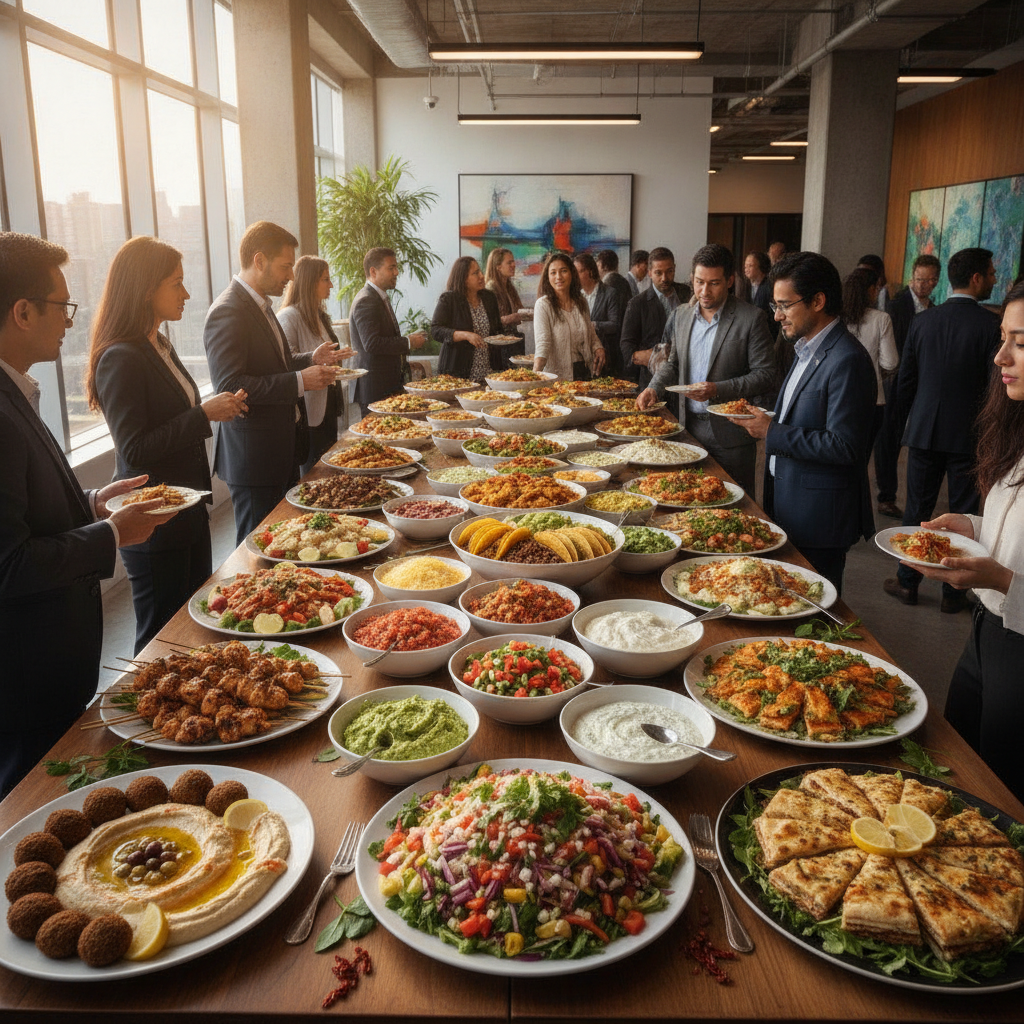
Catering and special events refer to professionally planned food and beverage service tailored to occasions like office lunches, meetings, and celebrations. Done well, it streamlines logistics, delights guests, and strengthens culture. In Woodbridge and across the GTA, corporate teams use it to simplify planning while meeting dietary needs confidently.
By LunchLink • Last updated: July 7, 2026
At a Glance
This guide explains how to plan catering and special events that save time, satisfy diverse diets, and look great. You’ll learn service styles, menu design, delivery logistics, checklists, and best practices—plus examples from LunchLink’s 850+ catered events and recurring office meal programs across Toronto and the GTA.
Here’s what you’ll find inside this complete guide for busy office managers, EAs, HR/People Ops, and event planners:
• Definitions and roles in event catering—what’s included and why it matters
• How corporate catering works end-to-end (request to feedback)
• Service styles compared: individually packaged, buffet, and more
• Menu strategy for inclusive diets (halal, vegan, gluten-free, nut-free, dairy-free)
• Operational playbooks for delivery, labeling, and safe handling
• Real examples from LunchLink clients across the GTA
• Checklists, timelines, and day-of coordination tips
• How to scale recurring office meal programs without extra admin work
• Local context for Woodbridge teams
• FAQ for quick answers to common questions
What Is Catering and Special Events?
Catering and special events is the professional planning and delivery of food and beverage service for occasions like meetings, conferences, and celebrations. It covers menu curation, dietary accommodations, presentation, and logistics so hosts can focus on guests while a vetted partner handles the culinary details and timing.
In practice, it’s a coordinated service that blends menu design, preparation, transport, setup, and post-event wrap-up. For workplaces, it includes labeled meals, headcount flexibility, and streamlined billing so busy teams can host confidently.
• Scope: Menu planning, prep, delivery, setup, labeling, and cleanup coordination
• Formats: Individually packaged meals, buffet-style spreads, grazing tables, breakfast carts
• Events: Town halls, client meetings, training days, conferences, milestones, memorials
• Scale: Small huddles of 10 to enterprise gatherings of 500+ attendees
LunchLink’s corporate focus means every element—from recipe choices to packaging—fits office realities like meeting room timing, elevator access, and dietary coverage. The result is consistent presentation and on-time delivery for 850+ events and 25,000+ employees fed.
Why Catering for Special Events Matters for Workplaces
Great catering transforms events into engagement drivers. Quality meals boost attendance, keep energy up during long agendas, and signal care for employee well-being. For client-facing teams, polished food service elevates brand perception and helps meetings run on time.
Food is a culture lever. When meals arrive hot, labeled, and inclusive, people feel considered and safe. That reduces friction and saves coordinators time they’d otherwise spend chasing preferences or apologizing for misses.
• Engagement and morale: Thoughtful menus can lift participation for all-hands and training days.
• Brand and trust: Polished presentation supports client confidence in boardrooms and demos.
• Focus and flow: On-time service helps sustain schedules—no traffic jams at the buffet or missing meals.
• Inclusion: Clear labeling and dietary coverage (halal, vegan, gluten-free, nut-free, dairy-free) let everyone dine confidently.
• Operational sanity: One vendor, one invoice, and options for last-minute adjustments reduce coordination time.
We’ve seen retention and attendance improve when recurring programs rotate cuisines—Mexican, Mediterranean, Greek, healthy salads—while keeping staples guests recognize. Variety keeps it fresh; consistency keeps it stress-free.
How Corporate Event Catering Works (End-to-End)
Corporate catering follows a repeatable workflow: discovery, menu fit, headcount and dietary capture, confirmation, delivery logistics, labeled setup, and post-event feedback. Tight coordination across these steps ensures on-time arrivals, safe food handling, and satisfied guests.
In our experience, clarity early on prevents day-of friction. Here’s a practical flow you can reuse:
• Discovery: Share date, location (Woodbridge or GTA), time windows, estimated headcount, and event goals.
• Menu fit: Align cuisine and service style with the agenda (e.g., boxed for workshops; buffet for celebrations).
• Dietary capture: Collect needs (halal, vegan, gluten-free, nut-free, dairy-free) with a simple form or roster.
• Confirmation: Lock selections, portioning, and delivery details; keep a 24-hour buffer for headcount changes.
• Delivery plan: Confirm building access, elevator use, and meeting room paths; assign a point of contact onsite.
• Setup and labeling: Place items in logical order; use labels so guests can decide in seconds.
• Wrap-up: Save menu notes, attendance, and feedback for the next event or recurring cycle.
LunchLink standardizes this process for both one-off events and recurring office meal programs with rotating menus and corporate invoicing, reducing admin time for coordinators across Toronto.
Service Styles Compared: Boxed, Buffet, and More
Choose service style by agenda and space: boxed meals speed distribution and protect dietary integrity; buffets maximize variety and celebration energy; hybrid tables mix hot mains with labeled boxes. The right format prevents bottlenecks and keeps sessions on schedule.
Each style shines in specific contexts. Use this comparison to pick with confidence.
Service Style Best For Pros Watch Outs Individually Packaged Trainings, workshops, client meetings Fast pickup; airtight dietary control; easy distribution room-to-room Less communal feel; storage space for boxes Buffet-Style All-hands, celebrations, large teams High variety; social energy; efficient for 100–500+ attendees Line management; requires mindful labeling and flow planning Hybrid Buffet + Boxes Mixed dietary needs and timing Flexibility; hot mains plus guaranteed-safe personal boxes More planning; clear signage critical Breakfast Carts Morning town halls, early sessions Grab-and-go pace; coffee/tea integration; minimal setup Refill timing matters during peak 15-minute windows
When we support Woodbridge teams facing tight 30–45 minute lunch windows, we often recommend boxed mains with a small grazing table—people move faster, and sessions restart on time.
Menu Design and Dietary Accommodations
Design menus around inclusive coverage first, then variety. Build a base of halal-friendly proteins, vegan mains, gluten-free grains, and nut-aware sides. Clear labels reduce questions, speed lines, and let everyone dine with confidence.
Menu planning is both culinary and operational. A great spread balances flavor, nutrition, and logistics so coordinators don’t become traffic cops. Here’s a reliable framework:
• Set “coverage ratios”: Ensure every group has a guaranteed option (e.g., vegan mains, halal proteins).
• Rotate cuisines: Alternate Mediterranean, Mexican, Greek, and salad-forward menus to avoid menu fatigue.
• Labeling discipline: Use simple tags (vegan, halal, gluten-free, nut-free, dairy-free) at the dish or box level.
• Balance macros: Include lean proteins, complex carbs, and greens so energy doesn’t crash in long agendas.
• Color and texture: Pair crisp salads with warm grains and roasted vegetables for a visually inviting table.
LunchLink’s workplace-first menus are designed for fast self-serve flow, while fully labeled meals minimize dietary guesswork for 10–500+ attendees.
Logistics: Ordering, Delivery, Access, and Setup
Lock down three things early: delivery window, building access, and table layout. With those set, labeled food arrives on time, lines move smoothly, and hosts can focus on guests instead of troubleshooting carts and elevators.
Operational details make or break the experience. We map the route from entrance to meeting room, account for elevators, and stage tables before the rush. For recurring programs, the playbook gets faster every week.
• Ordering & confirmation: Centralize requests and approvals so updates don’t get lost in threads.
• Delivery & access: Share dock instructions and a contact on each floor; confirm badge or sign-in steps.
• Table layout: Place plates and cutlery first, then mains, sides, and beverages to prevent backtracking.
• Allergen safety: Separate stations if needed; keep nut-free away from desserts with cross-contact risks.
• Waste plan: Stage bins and compost options near exits; do a quick sweep 10 minutes before the session resumes.
For offices in Woodbridge, we regularly coordinate arrival buffers around commute patterns so food stays hot when attendees land. The aim is consistent, on-time service without hall congestion.
Local considerations for Woodbridge
• Plan generous delivery buffers during peak commute windows so lunch lines open on time even with elevator waits.
• Winter months call for insulated transport and a short staging stop to keep hot items at safe temperatures.
• Book building access ahead of time—loading zones and sign-ins can add 10–15 minutes if not pre-cleared.
Best Practices That Save Time and Prevent Snags
Standardize a repeatable playbook: one point of contact, shared event brief, confirmed headcount 24 hours prior, and labeled menus. These basics eliminate last-minute scrambles and ensure guests find something they love within seconds.
When teams apply the same pattern every time, events get easier and feedback improves. Borrow what works:
• Single source of truth: Keep date, location, headcount, dietary notes, and agenda in one brief.
• Lock the layout: Use the same table order and signage so guests learn the flow.
• Batch the feedback: After the event, capture top likes and must-fix items for next time.
• Calendar the cadence: For recurring meals, set a rhythm (weekly/biweekly) and rotate cuisines.
• Emergency plan: Have a backup entrée and a contact list for day-of changes.
LunchLink manages recurring office meal programs with rotating menus and a single invoice, freeing coordinators from vendor wrangling while maintaining variety and presentation standards.
Planning a special event? If you want a fast, vetted plan for boxed, buffet, or hybrid service, our team can map menus and logistics in one brief. Explore our event planning best practices or request a tailored plan.
Tools and Resources You Can Use
Use simple tools: an event brief template, a dietary capture form, a floor plan sketch, and a day-of checklist. With these four items, most corporate events run on time and guests self-serve smoothly.
We recommend a lightweight toolkit you can copy into your workflow:
• Event brief template: Date, times, meeting rooms, delivery route, headcount, dietary coverage.
• Dietary form: Collect halal, vegan, gluten-free, nut-free, dairy-free at the RSVP stage.
• Floor plan: Map table order, entrance lines, and trash/compost stations.
• Day-of checklist: Final headcount, table staging, signage placement, replenishment timing, wrap-up tasks.
For deeper planning guidance, see our notes on corporate catering logistics and how they scale from boardrooms to larger events.
Case Studies and Real-World Examples
Recurring programs and one-off events both benefit from a playbook. Real examples show how labeled menus, rotating cuisines, and tight delivery windows keep agendas on track while improving satisfaction scores across departments.
Take these snapshots from Toronto-area workplaces:
• Weekly team lunches (120 people): Rotating Mediterranean, Mexican, and Greek menus with vegan and gluten-free mains. Result: faster lines and fewer questions after week two, with labeled boxes for strict diets.
• Client workshops (25 attendees): Individually packaged meals with clear lids and labels minimized table time and kept workshops focused.
• Town hall (450 guests): Buffet stations staged in parallel with mirrored menus to prevent bottlenecks; signage and runners kept the room flowing.
• Breakfast briefings (40–80 guests): Breakfast carts with hot items near coffee service improved speed; refills scheduled at 15-minute marks.
Across 850+ events supported by LunchLink partners, we’ve found that rotating menus and consistent labeling correlate with higher satisfaction and on-time agendas in both Woodbridge and downtown Toronto offices.
How to Choose a Catering Partner
Evaluate fit on five points: dietary coverage, on-time record, labeling quality, service styles offered, and corporate-friendly operations. Ask for sample menus, references, and a clear escalation path for day-of changes.
Here’s a quick evaluation checklist you can apply during shortlisting:
• Dietary confidence: Clear halal, vegan, gluten-free, nut-free, and dairy-free coverage with labels.
• Service formats: Individually packaged, buffet-style, hybrid options, and breakfast service.
• Operational proof: On-time delivery record, access planning, and building-specific notes.
• Corporate processes: One point of contact, consolidated invoicing, and recurring program support.
• Menu variety: Mediterranean, Mexican, Greek, and salad-forward choices to avoid fatigue.
Browse our small events catering overview and corporate lunch options for examples of service formats that scale.
Recurring Office Meal Programs
Weekly or biweekly programs stabilize satisfaction and simplify admin. With one invoice, rotating menus, and consistent delivery windows, teams spend less time coordinating and more time connecting over meals.
What most people don’t realize is how quickly these programs self-optimize:
• Faster lines by week two: Guests learn the flow and labels; questions drop sharply.
• Menu feedback loop: Keep a running “repeat” and “rotate out” list after each delivery.
• Predictable calendars: Put meals on recurring invites; attendance becomes more reliable.
See how we approach recurring office meals and scale variety without losing consistency.
Breakfast Catering for Early Agendas
Morning sessions need grab-and-go options, strong beverages, and refills at predictable intervals. Breakfast carts and individually packaged items reduce setup time and help early meetings start on time.
In our Woodbridge deliveries, we often pair hot items with fresh fruit and yogurt cups so guests can choose light or hearty without slowing the line. Coffee stations close to entrances keep foot traffic moving and minimize crowding around doors.
• Speed first: Favor items that hold quality while moving fast through 10-minute arrival windows.
• Beverage integration: Plan coffee and tea refills at 15 and 30 minutes.
• Label everything: Dairy-free, nut-free, and vegetarian/vegan tags prevent back-and-forth at the table.
Safety, Labeling, and Food Handling
Make labeling non-negotiable. Clear diet tags and ingredient notes reduce risk and speed selection. Separate high-risk allergens when space allows, and keep hot/cold hold times within safe windows during service.
We organize stations so guests can identify their options at first glance. For strict allergies, we recommend individually packaged meals and separate tongs/utensils to limit cross-contact. For large buffets, mirrored lines cut wait times and help keep temperatures stable with regular replenishment.
• Allergen clarity: Place tags directly next to each dish or on each box.
• Utensil control: Dedicated tongs for each tray minimize cross-contact.
• Temperature checks: Stage hot items last and replenish on a schedule to stay within safe windows.
Consistent presentation and handling protect guests and keep reviews strong for recurring programs.
Frequently Asked Questions
These quick answers cover planning steps, lead times, dietary coverage, and service styles for corporate events in Woodbridge and across the GTA. Use them to align stakeholders fast and reduce back-and-forth in your planning thread.
How far in advance should I book catering for a special event?
Secure your date as soon as the agenda is set. For larger groups, confirm menus and headcount at least a week out, with a 24-hour buffer for final adjustments. For smaller meetings, a tighter turnaround works when menus are standardized and diets are captured early.
What service style is best for a mixed agenda?
If you have sessions back-to-back, choose individually packaged meals for speed and dietary control. For celebrations or open networking, buffets create variety and energy. A hybrid—hot mains with labeled boxes—offers both pace and inclusion.
How do you handle strict dietary restrictions?
Capture needs during RSVP, then provide fully labeled meals. We plan separate stations when space allows and recommend individually packaged boxes for severe allergies. Clear tags (halal, vegan, gluten-free, nut-free, dairy-free) keep choices obvious and safe for guests.
Can corporate catering support recurring weekly meals?
Yes. Recurring programs work best with rotating menus, consistent delivery windows, and one point of contact for approvals and invoicing. After the first two weeks, lines move faster and satisfaction trends become clear for future menu tweaks.
Conclusion: Put Your Playbook to Work
Successful catering for special events starts with inclusive menus, clear labels, and a tight delivery plan. Standardize your brief, finalize headcount 24 hours prior, and use a consistent table flow. You’ll cut setup time and boost guest satisfaction immediately.
Key takeaways:
• Pick service style to match your agenda and room flow.
• Design for dietary inclusion first; rotate cuisines to avoid fatigue.
• Nail delivery, access, and table layout to prevent bottlenecks.
• Keep a simple feedback loop to refine menus over time.
Next steps:
• Review our office catering overview for service formats.
• Explore corporate catering capabilities and labeling standards.
• Plan your first or next cycle with this complete office meals guide.
If you’re hosting in Woodbridge or anywhere across the GTA, we’re ready to map your menu and logistics so you can focus on guests. Book a discovery session and we’ll bring a clear, reliable plan to your next meeting or celebration.