Catering
Wedding Catering Costs: Save Money & Stress Less in 2026
Plan wedding catering in Woodbridge with inclusive menus, smart service styles, and a clear run of show—so you save stress and deliver a memorable meal.
July 6, 2026 · LunchLink
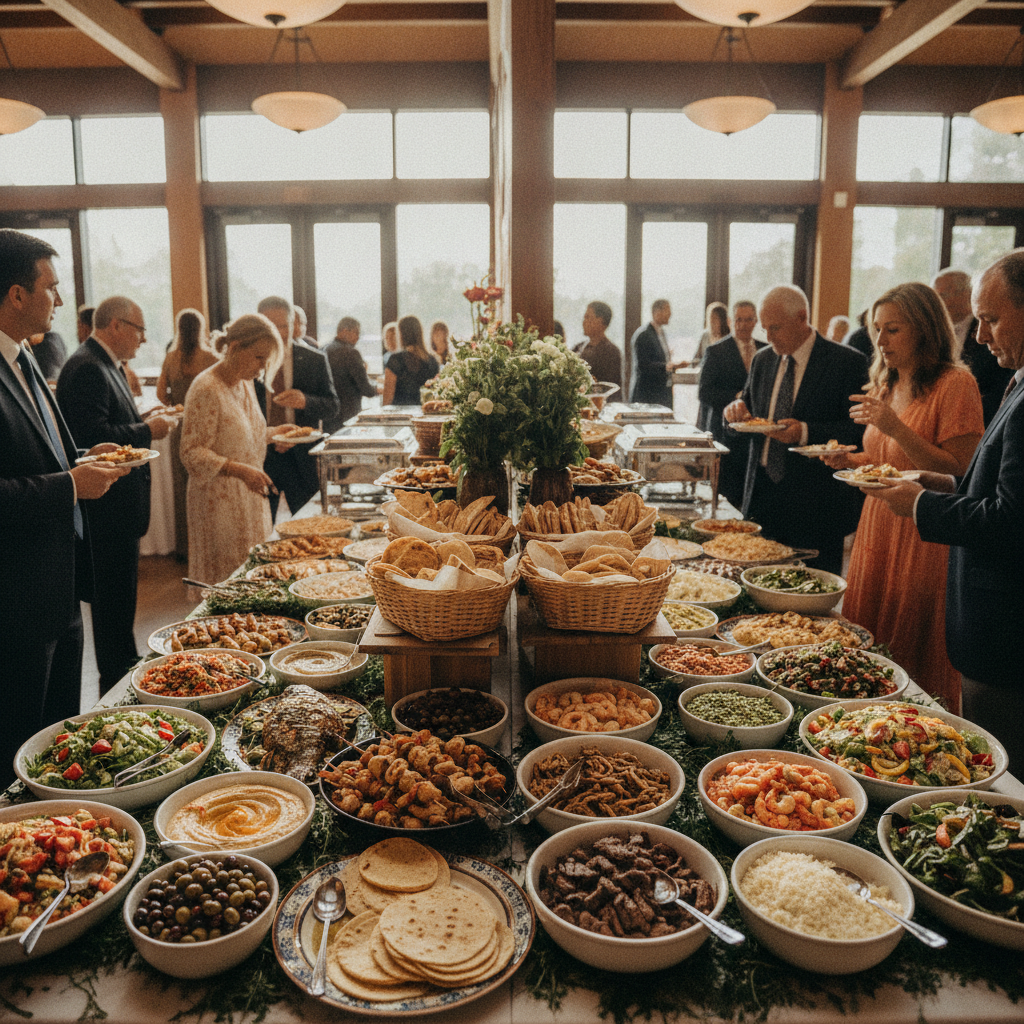
Wedding catering is the end-to-end planning and service of food and beverages for a wedding day, including menu design, production, staffing, and service. In Woodbridge, a catering wedding plan balances guest experience, dietary needs, and logistics so couples can celebrate without stress while everyone eats well and safely.
By LunchLink Team • Last updated: July 6, 2026
Quick Summary
Plan your wedding catering by defining service style, confirming headcount, and aligning dietary needs with a dependable partner. Lock a timeline for tastings, rentals, and staffing, then finalize a labeled menu that welcomes every guest. Clear roles, smart floor plans, and chef-driven variety turn meal service into a highlight—not a headache.
Here’s what you’ll learn in this complete guide to wedding catering and how LunchLink supports couples from planning to plate:
• What “wedding catering” actually includes beyond the menu
• How to choose service styles: plated, family-style, buffet, or stations
• Ways to serve all diets confidently (halal, vegan, gluten-free, nut-free, dairy-free)
• A realistic planning timeline from inquiry to the last plate cleared
• Staffing ratios, floor plan tips, and food-safety basics
• Actionable checklists, sample run of show, and communication templates
What Is Wedding Catering?
Wedding catering is a turnkey food-and-beverage operation for your ceremony and reception. It covers menu planning, production, delivery, setup, service, breakdown, and cleanup. A great partner coordinates rentals, dietary labeling, and staff so your timeline flows and every guest is served efficiently, safely, and delightfully.
At its core, wedding catering blends culinary craft with logistics. It’s recipe testing, kitchen prep, temperature control, and coordinated service timed to toasts and first dances. It’s also guest care: labeled dishes, clear allergen handling, and options that feel equally special for omnivores and plant-based friends alike.
• Scope: Menu design, tastings, procurement, prep, transportation, on-site setup, service, and cleanup.
• Team: Event lead, chefs, servers, bartenders (if applicable), and support staff.
• Deliverables: Final menu with labels, service plan, staffing roster, and production schedule.
LunchLink brings corporate-level precision to weddings: inclusive labeling, dependable delivery, and a network of vetted Toronto-area partners. Our globally inspired menus—Mediterranean, Mexican, Greek, healthy salads—translate beautifully to elegant receptions without sacrificing choice or speed.
Why Wedding Catering Matters
Food shapes guest memory, timeline flow, and health. Strong wedding catering prevents service delays, keeps hot foods hot and cold foods cold, and ensures dietary safety. The result is smoother speeches, energized dancing, and a reception your guests remember for the right reasons.
The meal anchors your reception experience. When service is punctual and inclusive, everything else lands better—photos, toasts, and the dance floor.
• Guest experience: Balanced menus and consistent pacing reduce hunger spikes and restlessness.
• Safety and trust: Labeled meals with transparent allergens let guests eat confidently.
• Logistics: Smart service styles minimize bottlenecks and protect your timeline.
• Atmosphere: Plating, stations, and buffet design all influence how the room feels and moves.
In our experience supporting large-group dining across Toronto and the GTA, inclusive options eliminate “food anxiety” and spark conversation. Guests notice when vegan, halal, or gluten-free plates look and taste as considered as the main course. That’s the bar we set—and keep.
How Wedding Catering Works (Step by Step)
Successful wedding catering follows a clear arc: define service style and headcount, select a labeled menu, schedule tastings, confirm rentals and staffing, and lock timelines for delivery, setup, and service. A written run of show prevents delays and keeps guest flow smooth from cocktail hour through dessert.
Planning timeline
• 6–12 months out: Define vision, estimated headcount, and service style (plated, family-style, buffet, stations). Shortlist caterers. Share dietary priorities.
• 3–6 months out: Tastings and revisions. Confirm rentals (tables, linen, china, chafers), staffing approach, and power/water needs with your venue.
• 6–8 weeks out: Finalize menu with labels, confirm counts for each dietary lane, outline load-in window, and share a draft run of show.
• 2–3 weeks out: Lock headcount, table map, and service cues (toasts, first dance, speeches). Share vendor contact sheet.
• Event week: Reconfirm delivery route, backup plans, and onsite point people. Prepare label lists for place settings or buffet cards.
• Day-of: Final temperature checks, line setup, pacing control, and post-service breakdown/cleanup.
Operational playbook
• Staffing guidance: For plated service, plan roughly one server for every 10–12 guests. For buffet, two attendants per buffet plus runners. For stations, one chef per station plus support.
• Flow and layout: Two-sided buffets cut lines. Position stations to distribute traffic. Keep 6–8 feet between lines and high-traffic doors.
• Food safety: Hot foods held above 140°F and cold below 40°F protect quality and safety throughout service windows.
• Labeling: Use large, clear labels listing dish name and key allergens. Provide individual labels for plated special meals.
Need a partner fluent in logistics? LunchLink’s corporate catering DNA means dependable timelines, labeled meals, and friendly staff coordination. Explore our corporate catering approach to see how process rigor translates to weddings.
Wedding Catering Service Styles (With Comparison)
Choose between plated, family-style, buffet, or stations based on guest count, venue layout, and vibe. Plated is elegant and precise; family-style feels communal; buffet is flexible; stations drive variety and motion. Match service to your timeline, staffing plan, and dietary labeling needs.
Overview of service methods
• Plated: Traditional elegance, portion control, predictable pacing. Best for formal receptions and tight timelines.
• Family-style: Shared platters encourage conversation and reduce line time. Needs larger tables and passing space.
• Buffet: Versatile, friendly to mixed diets, and space-efficient with two-sided lines.
• Stations: Interactive chef-attended setups (e.g., Mediterranean, taco, carving). Excellent variety and guest engagement.
Service Style Best For Pros Watch-outs Plated Formal vibe, precise pacing Elegant look, easy speeches More servers needed; less guest choice Family-style Warm, communal dinners Conversation-friendly, generous feel Table space; careful allergen planning Buffet Mixed diets, large counts Flexible, guest choice Line management, temperature control Stations Interactive, energetic rooms High variety, visual appeal Needs floor plan balance, power
We’ve built hundreds of buffet and station flows for large groups. Explore our office lunch catering playbook to see how we prevent bottlenecks and keep food hot, then bring that same efficiency to your reception.
Menu Planning and Dietary Needs (Halal, Vegan, Gluten-Free, Nut-Free)
Design a menu that delights every guest by pairing crowd-pleasing mains with equally great halal, vegan, gluten-free, nut-free, and dairy-free options. Label dishes clearly, cross-train staff on allergens, and pre-assign special meals at place settings to ensure safe, seamless service.
Build an inclusive menu
• Anchor cuisines: Mediterranean, Mexican, and Greek adapt beautifully to weddings with grilled proteins, vibrant salads, and vegetarian mains.
• Parallel choices: Offer a plant-based entrée that’s as exciting as your protein selection—think falafel with tahini or roasted cauliflower steak with chimichurri.
• Labeling system: Use consistent iconography and plain-language allergen notes across buffet cards and seating charts.
• Separate tools: Dedicate tongs and serving spoons to each dish to reduce cross-contact risk.
How LunchLink helps
• Fully labeled meals: Our corporate heritage means clear labels and safe handling at scale.
• Dietary coverage: Halal, vegan, gluten-free, nut-free, dairy-free, and pescatarian options without compromise.
• Menu curation: Chef-driven sets that keep balance: protein, fiber, color, and temperature contrast.
Want menu inspiration that adapts to receptions? Our comprehensive catering guide shows how we structure variety without clutter—useful for multi-course weddings and mixed-diet guest lists.
Timeline, Run of Show, and Coordination
Write a run of show that locks service cues to your moments: grand entrance, toasts, first dance, and cake. Share it with every vendor. Confirm load-in, power, and floor plan. A 10-minute buffer before speeches and a staffed water/coffee station keep energy high and timeline tight.
• Vendor list: Share contacts for venue, planner, photo/video, DJ/band, rentals, and transportation—plus an onsite problem-solver.
• Buffers: Build cushion around speeches and transitions so kitchens can hold temps without rush.
• Cocktail hour: Plan passed items plus one stationary snack. Keep drinks near but not inside food lines.
• Accessibility: Reserve low-traffic paths and seating for guests who need easier service.
For a deeper dive into flow strategy, see our event service blueprint—we adapt the same principles to receptions to keep lines short and smiles high.
Tools, Checklists, and Resources
Use simple tools—headcount tracker, dietary matrix, run-of-show template, and floor plan sketch—to coordinate vendors and prevent last-minute surprises. One point of contact and labeled menus reduce errors and speed up service across every station and table.
• Headcount tracker: Keep totals for standard, halal, vegan, gluten-free, nut-free, and dairy-free.
• Dietary matrix: Assign guest names to dietary categories and pre-assign plated specials.
• Run-of-show template: Capture minute-by-minute cues and who triggers what.
• Floor plan sketch: Mark entrances, bars, buffets, stations, and DJ/band to visualize traffic.
• Vendor comms: Use a single email thread so decisions are visible to all stakeholders.
LunchLink’s corporate-friendly operations—one point of contact and easy invoicing—translates to wedding calm. If you like organized, labeled, and on-time, you’ll like how we work behind the scenes.
Case Studies and Real Examples
The best proof is execution: menus that welcome every guest and service that protects your timeline. Here are three real-world scenarios showing how inclusive labeling, smart layouts, and station design can elevate a Woodbridge reception from good to unforgettable.
Woodbridge garden reception, 180 guests
• Challenge: Many mixed diets plus limited kitchen access.
• Approach: Two-sided buffet with Mediterranean mains, vegan falafel entrée, and gluten-free sides. Clearly labeled cards. Extra runners to refresh lines.
• Outcome: Full dinner served in under 40 minutes; zero allergen incidents reported.
Loft-style venue, 120 guests
• Challenge: Tight freight elevator and staggered vendor load-in.
• Approach: Staggered station setup (taco, carving, salad). Rental checklist shared a week prior. Compact back-of-house prep zone.
• Outcome: Smooth pacing; guests circulated naturally; bar lines stayed short.
Formal ballroom, 220 guests
• Challenge: Long speech block risking food going cold.
• Approach: Adjusted run of show to place salads pre-speech, mains after. Coffee/water station staffed during remarks.
• Outcome: Hot mains, lively room energy, and on-time dessert service.
Looking for buffet inspiration that scales gracefully? See how our team designs lines to move people quickly without sacrificing presentation.
Local considerations for Woodbridge
• Plan for traffic windows on weekends and build wider delivery buffers so setup stays on time.
• Summer receptions benefit from shade and hydration stations; winters call for protected load-in paths and warm holding.
• Confirm venue rules for outside catering, power access, and waste removal to streamline vendor coordination.
Budget-Smart Without Compromise
Cut waste, not joy. Choose service styles that fit your guest count, plan stations that double as décor, and focus on high-impact dishes over sprawling menus. Clear RSVPs, smart headcounts, and seasonally aligned ingredients reduce overruns while preserving a generous, memorable experience.
• Choose the right format: Buffets and stations can welcome mixed diets without separate plated runs.
• Design fewer, better dishes: Prioritize a standout entrée and one signature side per station.
• Leverage seasonal produce: Peak-season items look and taste better.
• Right-size dessert: Many guests graze during dancing—consider petite sweets displayed near the bar.
• Track RSVPs early: Align final headcount windows with your caterer’s production milestones.
For tactical menu planning, our efficiency-focused catering tips outline how to stretch variety without diluting quality—principles we adapt for receptions.
Planning a reception in Woodbridge? Let’s align your guest list, service style, and dietary goals. We’ll map a labeled, inclusive menu and a clean run of show. Start with a quick consult and we’ll take it from there.
Common Pitfalls—and How to Avoid Them
Most wedding catering issues come from unclear headcounts, vague dietary notes, or under-staffed service. Lock final numbers early, label everything, and assign an empowered onsite lead. Two-sided lines, water access, and heat retention protect quality and guest mood.
• Late headcount swings: Build a final confirmation window and a small contingency plan.
• Unclear dietary info: Collect restrictions on your RSVP form and share a consolidated list with your caterer.
• Cramped layouts: Overlap of bars, buffets, and dance floors slows service—space them out.
• No labeling: Allergen confidence is non-negotiable—labels belong on buffets and at seats for specials.
• Weak communication: Keep one email thread and one day-of group chat open to all key vendors.
If you’re curious how we structure larger events, our ultimate guide shows the operations backbone we’ll bring to your day.
Alcohol, Bartending, and Non-Alcoholic Options
Coordinate bar service with your food timeline. Keep cocktail hour bites within 10–15 steps of the bar, offer a signature mocktail, and confirm your venue’s alcohol rules well in advance. Bar lines shrink when staff can pre-batch high-demand drinks and water is always close by.
• Bar placement: Avoid clustering bars and buffets; distribute to reduce congestion.
• Signature sips: Offer one cocktail and one zero-proof option that pair with your menu.
• Rules and permits: Verify venue policies early and align bartending staff ratios to your guest count.
For venue planning context and inspiration, browse this venue-focused overview from a local provider: find your dream venue. Use it to frame questions for your space—even if you book elsewhere.
Templates, Questions, and Checklists
Use short, clear prompts to get fast answers from vendors. Confirm kitchen access, load-in routes, and power. Ask how allergens are handled, how servers are assigned, and who makes final calls day-of. Then share your run of show so everyone stays in sync.
Questions to ask your caterer
• Which service styles suit our guest count and venue layout?
• How do you label and separate halal, vegan, and gluten-free items?
• What are your staffing ratios for plated vs. buffet vs. stations?
• How do you manage temperature control during speeches?
• What’s your plan for backup power, traffic, or weather shifts?
Day-of checklist
• Final headcount by category (standard, halal, vegan, gluten-free, nut-free, dairy-free)
• Place cards or seat markers for plated specials
• Buffet/station labels with allergens in plain language
• Server roster and responsibilities
• Load-in map, vendor contacts, backup plans
For additional menu planning ideas, skim this practical overview on reception food planning: wedding catering menu planning. Want Brampton-focused takes too? This wedding catering guide offers general tips applicable across the GTA.
Wedding Catering FAQ
Couples ask about timelines, service styles, and dietary safety first. Lock dates and headcounts early, match service to your venue, and confirm labeling for allergens and religious diets. A written run of show keeps the kitchen, bar, and speeches in sync.
How far in advance should we book wedding catering?
Aim for 6–12 months out for prime dates. You’ll secure your preferred service style, allow time for tastings, and coordinate rentals and staffing. If your date is flexible, good partners can accommodate shorter timelines—especially with buffet or station formats.
What service style is best for mixed dietary needs?
Buffets and stations are very friendly to mixed diets because guests self-select. Pair them with clear labels and separate utensils. For plated meals, pre-assign specials at seats and train servers on allergen handling to keep service smooth and safe.
Can corporate-style labeled meals work for a wedding?
Yes—thoughtful labeling elevates confidence without feeling clinical. For specials, discreet seat markers and clear kitchen notes ensure guests receive the right plate quickly. On buffets, polished tent cards with plain-language allergens blend seamlessly with wedding décor.
How do we keep our reception timeline on track?
Write a run of show that ties food cues to your program—cocktail hour, toasts, dances, and cake. Share it with all vendors and include buffers before speeches. Use two-sided buffets or distributed stations to shorten lines and keep energy high.
Key Takeaways
Pick a service style that matches your space and guest mix, label every dish, and share a clear run of show. With dependable staffing and layout, wedding catering becomes easy, inclusive, and memorable—exactly what you planned.
• Decide on service style early: plated, family-style, buffet, or stations.
• Design inclusive menus and label everything clearly.
• Map your floor plan to prevent lines and protect the timeline.
• Create one shared run of show for all vendors.
• Use checklists to finalize headcounts and day-of roles.
Conclusion: Your Woodbridge Wedding, Catered with Confidence
Wedding catering succeeds when planning meets hospitality: inclusive menus, dependable service, and a timeline everyone can follow. Choose the format that fits your space and guest mix, then partner with a team that treats labeling and logistics as essentials—not extras.
LunchLink puts corporate-grade organization to work for weddings—chef-curated menus, inclusive dietary labeling, and calm, on-time service. Ready to map your day? We’ll build a clear, labeled plan that matches your vision.
Next step: Start a planning consult and we’ll translate your guest list, dietary needs, and timeline into a reception that feels effortless.
Book a discovery session in Woodbridge today.