Catering
Corporate Lunches: Keep Teams Happy and Fed in 2026
A Toronto-tested guide to corporate lunches—formats, menus, labeling, logistics, and mini case studies—so your team eats safely, on time, and happily.
June 11, 2026 · Yash Patel
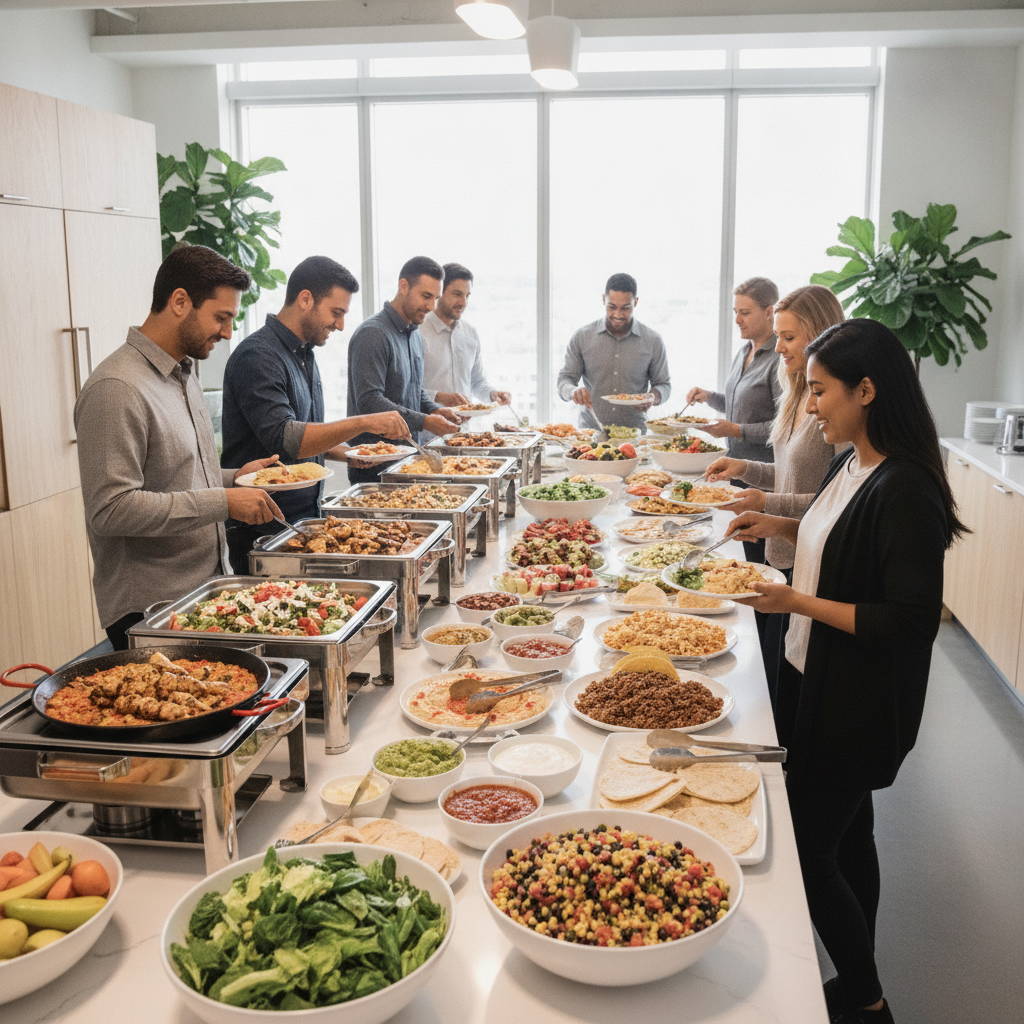
Corporate lunches are professionally prepared meals delivered to workplaces for meetings, trainings, and everyday team building. From our Woodbridge hub at Unit #23 120 Woodstream Blvd, LunchLink coordinates chef‑curated office lunch delivery across Toronto and the GTA, offering individually packaged meals and buffet spreads with clear dietary labels so everyone eats confidently and on time.
By Yash Patel — LunchLink | Last updated: June 11, 2026
Overview
This guide explains corporate lunches end to end: what they are, why they matter, how to plan them, formats to choose, dietary labeling, logistics, and real examples from Toronto workplaces. Use it to build a reliable, inclusive lunch program with predictable delivery, rotating menus, and zero guesswork for busy office teams.
Here’s what you’ll learn in this complete, practical playbook:
• Clear definitions and planning steps for corporate lunches
• How to choose between buffet-style spreads and individually packaged meals
• Dietary accommodations (halal, vegan, gluten-free, nut-free, dairy-free, pescatarian)
• Menu ideas your Toronto team will actually enjoy (Mediterranean, Mexican, Greek, healthy salads)
• Reliable logistics for last-minute needs, recurring programs, and corporate invoicing
Why trust this? LunchLink has catered 850+ events, served 25,000+ employees, and maintains a 98% client satisfaction rate across Toronto offices. We tailor meals for groups of 10–500+ and manage rotating menus through vetted local partners, so you don’t have to juggle multiple vendors or spreadsheets.
What Are Corporate Lunches?
Corporate lunches are curated meals delivered to workplaces to feed teams during meetings, trainings, and culture moments. The best programs combine inclusive menus, clear labeling, and reliable delivery, so every attendee can eat safely and on time—without burdening office managers, EAs, or People Ops with food logistics.
At their core, corporate lunches remove friction from busy workdays. Instead of piecing together ad‑hoc orders, you schedule a predictable, satisfying meal that respects dietary needs and the cadence of your meeting or event.
Core components
• Menu planning: Globally inspired options (Mediterranean, Mexican, Greek, healthy salads) that balance flavor and nutrition.
• Service format: Individually packaged or buffet-style, depending on your agenda, space, and headcount.
• Dietary labeling: Halal, vegan, vegetarian, gluten-free, nut-free, dairy-free, and pescatarian options fully labeled.
• Logistics: On-time delivery, temperature-safe transport, simple setup, and minimal cleanup.
• Corporate operations: One invoice, one point of contact, and flexibility for changing headcounts.
In our experience with Toronto teams, the winning formula is simple: choice, clarity, and consistency. When employees can quickly identify what’s safe and appealing, lunches run on time, focus stays on the agenda, and engagement goes up.
Why Corporate Lunches Matter
Corporate lunches strengthen culture, improve meeting focus, and support wellness. When food is inclusive and on time, teams waste less time on logistics, attendees engage more, and leaders create memorable, high‑trust moments that compound over recurring programs.
Food is a powerful culture lever. A well-timed lunch keeps sessions on schedule, reduces mid‑day drift, and signals care for employee needs. Safe, clearly labeled meals also lower anxiety for colleagues managing allergies or observances.
Benefits you can measure
• Time savings: Preplanned menus and labeled packaging curb last‑minute chaos and reduce meeting overruns.
• Better attendance: Lunch often improves RSVP reliability for trainings and town halls.
• Wellness support: Balanced options help avoid the afternoon energy slump.
• Consistency at scale: Recurring office meal programs keep quality and variety steady across weeks.
• Vendor simplicity: One point of contact and consolidated invoicing streamline ops.
We’ve seen the compounding effect with recurring schedules. With LunchLink running 850+ events for Toronto offices, the predictable cadence and rotating cuisine reduce decision fatigue while keeping morale high, quarter after quarter.
How Corporate Lunches Work (Step by Step)
Plan corporate lunches by aligning goals, headcount, and diet needs; selecting a service format; finalizing menus; and locking delivery windows. A reliable partner confirms labeling, transports safely, and manages setup—so you focus on content while guests enjoy fresh, chef‑curated meals.
Standard planning flow
• Define the moment: Meeting, training, client demo, milestone, or all‑hands.
• Collect requirements: Headcount, dietary restrictions, room setup, and service style.
• Choose cuisine: Mediterranean, Mexican, Greek, healthy salads, or a rotating mix.
• Confirm labeling: Ensure every box or tray lists allergens and diet tags clearly.
• Schedule delivery: Select a buffer that respects your agenda start time.
• Coordinate setup: Minimize traffic; place beverages and compostables logically.
• Gather feedback: Note favorites and adjust for the next rotation.
Process table you can copy
Step Owner Timing What good looks like Intake & goals Office manager / EA 2–7 days before Agenda defined; headcount range; diet survey link sent. Menu planning LunchLink concierge 24–48 hours Options fit tastes; halal/vegan/GF covered; portioning set. Approval & labeling Office manager Same day Allergens visible; boxes/trays tagged; utensils selected. Delivery & setup LunchLink logistics 30–60 min buffer Temperature‑safe transport; clean layout; minimal footprint. Debrief & iterate EA + LunchLink Next day Feedback logged; favorites and no‑go’s updated; rotation set.
Prefer to hand this off? Our corporate catering service manages end‑to‑end logistics, from intake and menu planning to labeled packaging and post‑event iteration.
Corporate Lunch Formats (When to Choose Each)
Choose individually packaged meals for speed, labeling, and hybrid schedules; choose buffet-style spreads for collaboration and variety. Both formats support halal, vegan, gluten‑free, nut‑free, dairy‑free, and pescatarian needs when labeling is consistent and trays are arranged logically.
Individually packaged meals
• Best for: Tight agendas, staggered arrivals, training rooms, and dietary clarity.
• Advantages: Personal labels; easy distribution; lower cross‑contact risk.
• Tips: Sort by color tags; place vegetarian/halal up front; add extra napkins and water.
Buffet-style catering
• Best for: Team lunches, town halls, and collaborative sessions.
• Advantages: Maximum variety; easy seconds; warm chafers for hot items.
• Tips: Separate allergen trays; use serving utensils per dish; label proteins and grains.
Alternatives and add‑ons
• Stations: Build‑your‑own bowls or tacos for engagement and portion control.
• Breakfast spreads: Great for AM kickoffs; add fruit, yogurt, and egg options.
• Boxed lunches: Ideal for off‑sites, client visits, and quick turnarounds.
Not sure which way to go? Our office catering overview outlines when boxed lunches, buffets, or hybrid setups fit your space and schedule.
Dietary Accommodations and Labeling (Safety First)
The safest lunch programs label every item and cover core needs: halal, vegan, vegetarian, gluten‑free, nut‑free, dairy‑free, and pescatarian. Clear tags reduce cross‑contact risk, speed distribution, and help attendees make fast, confident choices without derailing your agenda.
We build menus with inclusive coverage by default so nobody scrambles at the last minute. For halal teams, we use never‑frozen meats and vetted suppliers; for vegan or dairy‑free teams, we include satisfying plant‑forward mains—not just side salads.
Labeling best practices
• Box labels: Add large diet tags (e.g., Vegan, GF, Halal) and allergens.
• Buffet placards: Keep cards in front of each tray; separate high‑risk allergens.
• Flow: Place vegan/vegetarian first to prevent utensil cross‑use.
• Double‑check: Keep a printed manifest for quick spot checks at delivery.
For deeper coverage, explore our halal corporate catering approach and how we translate dietary requirements into clear packaging for fast distribution in meeting rooms.
Menus Toronto Teams Actually Want
The most loved corporate lunches balance flavor with familiarity. Mediterranean bowls, Mexican platters, Greek spreads, and fresh salad bars consistently perform in Toronto offices, offering bright flavors, lean proteins, and veggie‑forward options that suit hybrid schedules and mixed preferences.
Mediterranean highlights
• Grilled chicken or falafel bowls with lemon‑herb rice, roasted vegetables, and tahini.
• Bright salads with feta on the side and citrus dressings for dairy‑free flexibility.
• Warm pita, hummus, and roasted eggplant dips for grazing.
Mexican favorites
• Build‑your‑own tacos with chicken, beef, or jackfruit; corn and flour tortillas.
• Cilantro‑lime rice, black beans, and pico de gallo for balanced bowls.
• Fresh toppings station: pickled onions, jalapeños, and lime wedges.
Greek crowd‑pleasers
• Chicken souvlaki, lemon potatoes, Greek salad, and tzatziki with dill.
• Vegetarian skewers and dolmades for inclusive variety.
• Olive oil‑forward flavors that travel well.
Need inspiration for the next rotation? Our editors compiled ideas in the corporate catering guide, with practical tips for sequencing cuisines across a quarter.
Delivery Logistics, Timing, and Same‑Day Needs
Reliable corporate lunches depend on tight timing, temperature‑safe transport, and clear drop‑off instructions. Build a 30–60 minute delivery buffer, designate a staging table, and confirm building protocols so couriers can land quickly and you start on schedule—even for last‑minute requests.
• Buffers beat stress: A 30–60 minute window protects your agenda from elevators, loading docks, and weather.
• Staging station: Reserve a table near the room; keep beverages separate to prevent bottlenecks.
• Chain of custody: Confirm who signs for delivery; keep manifest handy for quick counts.
• Room flow: Place compostables, napkins, and utensils at the end of the line.
• Same‑day playbook: Have a short list of formats that travel well and set expectations early.
When you need speed and certainty, our team can advise on the fastest formats and confirm labeling without compromising inclusion. It’s how we keep complex, multi‑team schedules moving across the GTA.
Corporate Lunches in Woodbridge and the GTA
For Woodbridge teams in ON L4L 7Z1, corporate lunches work best with nearby partners, predictable delivery windows, and inclusive menus. LunchLink’s local network reduces transit risk and supports recurring programs across Toronto and the GTA with consistent standards and clear labeling.
We coordinate from Woodbridge to downtown Toronto daily, aligning drop‑offs with building security, elevator access, and meeting room availability. The goal is always the same: a calm, on‑time setup that lets your content take center stage.
Local considerations for Woodbridge
• Plan buffers around neighborhood traffic patterns to protect start times and food temperatures.
• Seasonal shifts matter: winter weather and summer heat both affect transport; build extra time in peak months.
• For hybrid schedules, favor individually packaged meals on high‑meeting days; use buffets for team‑day reunions.
Curious how this scales over a quarter? Our elevate your catering guide outlines rotation ideas and operational guardrails for multi‑site teams.
Best Practices for Stress‑Free Lunches
The best corporate lunches feel invisible: everything appears on time, labeled clearly, and arranged intuitively. A short checklist—covering headcount, diet capture, delivery buffers, and table layout—prevents chaos and keeps your agenda moving.
Planning checklist
• Send a 1‑minute diet survey with vegan, halal, GF, nut‑free, dairy‑free options.
• Choose a format aligned to agenda flow (boxes for speed, buffets for collaboration).
• Reserve a staging area; position beverages and compostables last to avoid congestion.
• Confirm building access instructions and a delivery contact number.
• Request clear labels and a printed manifest for quick spot checks.
Service tips
• Open trays in order of dietary inclusivity (vegan and halal first) to reduce cross‑use.
• Announce logistics in the meeting intro: where to line up, where to find utensils.
• Snap a quick photo of the layout to replicate at the next event.
To make this turnkey, hand the checklist to your LunchLink concierge. We’ll align menus, labels, and staging so you can run your program on autopilot.
Tools and Resources
Use simple tools: a diet capture form, a rotation calendar, and a reliable catering partner with corporate invoicing. LunchLink adds concierge planning today and an upcoming app for individual ordering, live tracking, dietary filters, and easy reorders.
Templates and workflows
• Diet survey: One link in onboarding or the event invite; export tags for labeling.
• Rotation calendar: Alternate Mediterranean, Mexican, Greek, and salad-forward weeks.
• Room layout map: Mark staging table, beverage zone, and trash/compost points.
• Post‑event notes: Track favorites, allergens, and what to repeat or retire.
When you’re ready to standardize, explore our boardroom‑to‑BBQ guide for seasonal menus and logistics that translate from indoor meetings to summer off‑sites.
Mini Case Studies from Toronto Teams
Real programs succeed when logistics, labeling, and variety align. These snapshots show how Toronto offices used packaged meals, buffets, and rotating menus to feed 25–200 people smoothly—without distracting from the agenda.
Finance all‑hands, 180 attendees
• Format: Buffet-style Mediterranean with halal coverage, vegan mains, and gluten‑free grains.
• Why it worked: Two identical lines shortened wait times; placards labeled allergens.
• Result: Lunch service finished in 18 minutes; session started on time with high engagement.
Healthcare seminar, 60 clinicians
• Format: Individually packaged Greek bowls with dairy‑free dressings on the side.
• Why it worked: Labels and color sorting sped distribution; no cross‑contact concerns reported.
• Result: Zero delays; attendees praised clarity and freshness in feedback form.
Product sprint week, 25 engineers
• Format: Boxed Mexican bowls with vegetarian and pescatarian parity.
• Why it worked: Predictable timing each day; rotating salsas kept variety high.
• Result: Consistent on‑time starts; team cited better focus and fewer off‑site trips.
These patterns repeat: inclusive menus, visible labels, and reliable delivery compress downtime and protect the agenda—even for fast‑changing headcounts.
Want a zero‑stress lunch program? Our concierge will map your rotation, labeling, and logistics in one call. See our corporate catering services and ask about recurring schedules with one invoice.
Frequently Asked Questions
Most teams ask about formats, dietary labeling, and timing. Here are direct answers to the top questions office managers and EAs raise when planning corporate lunches in Toronto and the GTA.
What’s the fastest format for a tight agenda?
Individually packaged meals are fastest. Labels speed distribution and reduce cross‑contact risk. For very short breaks, pre‑sort boxes by dietary tags and seat section so attendees can grab and go without crowding the doorway.
How do you cover halal, vegan, and gluten‑free needs together?
Plan coverage by default. Offer at least one halal protein, one vegan main, and a clearly labeled gluten‑free option. Keep dairy‑free dressings separate. Use distinct utensils and tray positions to reduce cross‑use at the table.
How much delivery buffer should we build?
Plan a 30–60 minute buffer before guests eat. This protects against elevators, loading docks, weather, and last‑mile traffic. Use the time to stage trays, confirm labels, and announce line flow so service starts smoothly.
What menus satisfy mixed preferences without slowing service?
Mediterranean bowls, Greek spreads, and Mexican platters perform well for mixed groups. They balance lean proteins, grains, and bright vegetables. Keep dairy on the side and label allergens clearly so everyone finds a fit fast.
Can we set and forget recurring office lunches?
Yes. Establish a rotation calendar, pre‑approved cuisines, and headcount ranges. Your LunchLink concierge will maintain labeling standards, manage delivery windows, and iterate favorites—so the program runs consistently with minimal admin time.
Key Takeaways
Successful corporate lunches are inclusive, labeled, and reliably delivered. Align the format to your agenda, pre‑plan dietary coverage, and stage rooms for smooth flow. When those pieces click, you protect time, elevate culture, and keep attention on the work—not the food.
• Pick the format that fits the day: boxes for speed, buffets for connection.
• Label everything; separate high‑risk allergens and open inclusive trays first.
• Build a 30–60 minute delivery buffer and reserve a staging table.
• Rotate cuisines to keep interest high over recurring schedules.
• Standardize with one partner for logistics, labels, and invoicing.
Conclusion
Corporate lunches work when logistics, labeling, and menu variety are handled by a dedicated partner. Hand us your headcount, restrictions, and timing; we’ll deliver chef‑curated meals that keep sessions on schedule and teams energized across Toronto and the GTA.
If you’re planning lunches from Woodbridge to downtown, let’s simplify the playbook. Explore LunchLink corporate catering and our healthy office lunch ideas. When you’re ready, we’ll map a rotation and start with a low‑lift pilot.
Explore More Catering Guides
Deepen your planning with practical, Toronto‑tested playbooks. These guides expand on rotation strategy, seasonal menus, and meeting‑room logistics for office lunches that scale smoothly across sites and schedules.
Build your program with our elevate your corporate catering article, then adapt the format spectrum using our boardroom‑to‑BBQ guide. For day‑to‑day ordering, keep our corporate services page handy for quick handoffs and scheduling.