Catering
The Ultimate Event Catering Guide for Toronto in 2026
Plan flawless events with our Event Catering Toronto guide. Formats, menus, dietary needs, logistics, timelines, and pro tips from LunchLink.
June 28, 2026 · LunchLink
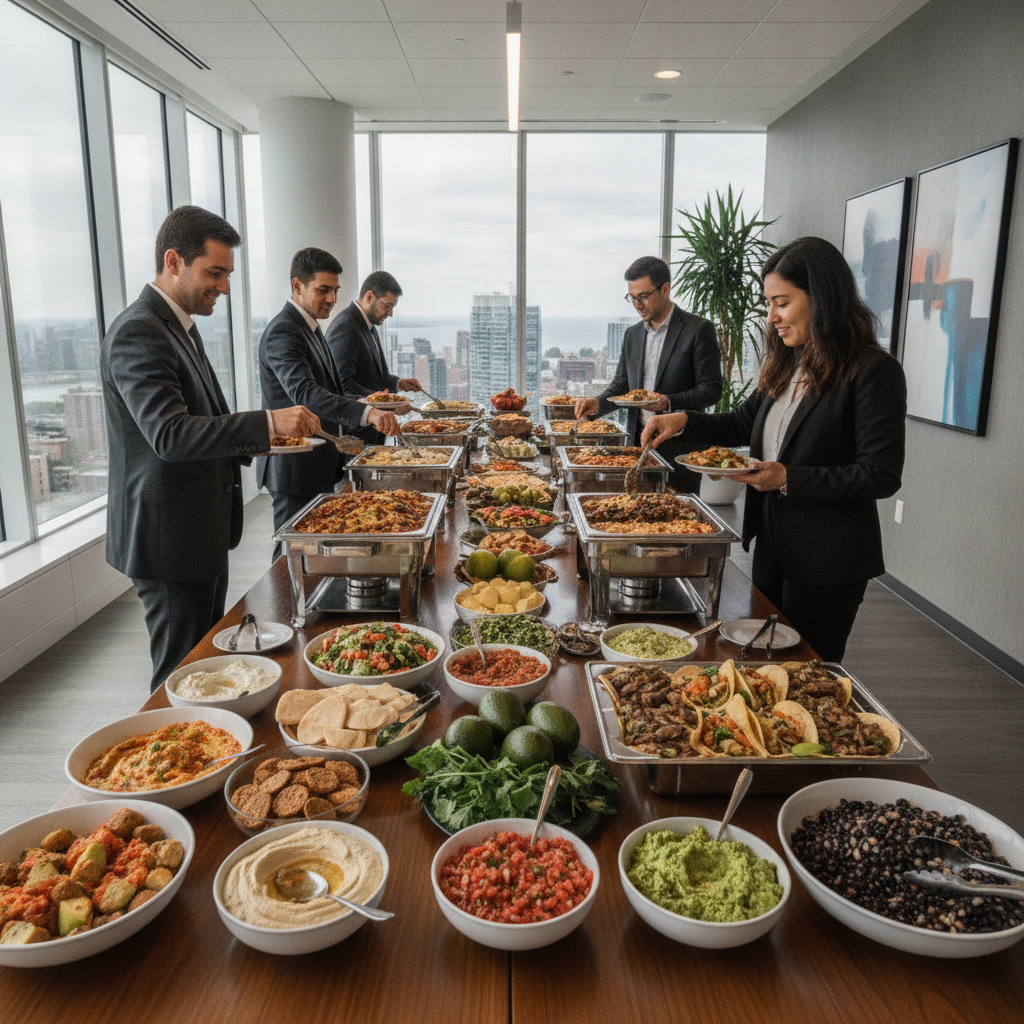
Event catering in Toronto is the professional planning, cooking, and delivery of meals tailored to your occasion and headcount. It covers menu curation, dietary accommodations, logistics, staffing, and presentation. For Woodbridge-based teams across the GTA, the right partner coordinates everything from breakfasts to evening receptions so you can focus on the program.
By LunchLink • Last updated: 2026-06-28
At a Glance: Toronto Event Catering in 2026
Toronto event catering succeeds when menus fit the moment, diets are labeled clearly, and logistics run on time. Align your format (boxed, buffet, or stations), finalize counts 24 hours out, and plan service to arrive 15–30 minutes early. This balance delivers warm food, smooth flow, and a great guest experience.
This overview orients busy planners fast. Use it as your starting point to assemble a reliable plan, then deep-dive into sections that matter most for your event.
• What you’ll learn: formats, menu engineering, dietary coverage, safe temperatures, timing, staffing, and post-event wrap-up
• Who it’s for: office managers, EAs, HR/People Ops, operations, and event planners serving 10–500+ guests
• Why LunchLink: vetted partners, fully labeled meals, reliable delivery, and corporate-friendly invoicing across Toronto and the GTA
Local considerations for Woodbridge
• Account for business-park loading: reserve a loading area or curb space and share elevator details to speed drop-off and setup.
• Build winter buffers: add 10–15 minutes to arrival windows during snow or freezing rain to protect hot holding temperatures.
• Plan noon peaks: Woodbridge offices often stack lunches 11:45 a.m.–12:30 p.m.; stagger sessions or offer two pickup stations to ease lines.
• What Is Event Catering?
• Why It Matters
• How It Works
• Formats and Menu Approaches
• Best Practices
• Tools and Resources
• Case Studies
• FAQ
• Conclusion and Next Steps
What Is Event Catering in Toronto?
Event catering in Toronto is the end-to-end service that plans, prepares, and delivers food for business and social gatherings. It includes menu design, dietary accommodations, safe transport, setup, service, and cleanup. The outcome is consistent quality and a cohesive guest experience aligned to your agenda and venue.
In practice, that means matching cuisine to the moment (kickoff breakfast, lunch-and-learn, client reception), then executing the logistics so every attendee is fed safely and on schedule. At LunchLink, we support corporate events through globally inspired menus—Mediterranean, Mexican, Greek, and fresh salads—delivered as individually packaged meals or buffet-style spreads.
• Scope: menu planning, labeled meals, transportation, on-time delivery, setup, and post-service wrap
• Safety: hot food held at or above 140°F; cold items at or below 40°F; allergens called out and separated
• Scale: flexible from 10 to 500+ with clear timelines and headcount checkpoints
For deeper corporate context, see our corporate catering page detailing workplace-focused operations and inclusive labeling practices.
Why Event Catering Matters for Teams and Brands
Great catering boosts attendance, shortens lines, and signals care for dietary needs. It also reduces admin load through one vendor, one invoice, and predictable workflows. The result is higher engagement, fewer escalations, and a professional brand impression throughout the event.
Food is often the largest on-site touchpoint attendees share. When meals are on time, labeled, and balanced, people return to sessions faster and stay focused. We’ve supported 850+ events and fed 25,000+ employees across Toronto; that experience informs our playbooks for flow, signage, and timing.
• Engagement impact: clear labeling reduces attendee questions and speeds service; most lines clear within 8–12 minutes when stations are duplicated
• Risk reduction: segregated allergen handling, sealed packaging, and temperature logs mitigate food-safety incidents
• Operational ease: one point of contact, consolidated invoicing, and standardized post-event summaries simplify stakeholder updates
If your event aims to impress clients or recruit talent, consistent presentation counts. Explore ideas in our catering elevation guide for small design upgrades that deliver an outsized effect.
How Event Catering Works with LunchLink
Successful catering follows a tight cadence: confirm goals and diets, choose a format, finalize headcount 24 hours out, and schedule delivery 15–30 minutes early. Clear labeling, safe temperatures, and smart station layout ensure fast service and satisfied guests.
Below is the planning flow we use with Toronto offices. It’s built for reliability, even when details change late.
Planning timeline and milestones
• Discovery (10–15 minutes): goals, headcount range, diets, venue access, and timing.
• Menu selection (same day): choose cuisine and service format—boxed, buffet, or mixed.
• Logistics lock (48–72 hours out): elevator/loading notes, table counts, signage needs.
• Headcount freeze (24 hours out): finalize totals and label data; build the run sheet.
• Delivery window (15–30 minutes early): hot at ≥140°F, cold at ≤40°F on arrival.
• Service + wrap: replenish, tidy, and pack out with waste minimization in mind.
Stage Owner Key Outputs Timing Discovery Planner + LunchLink Goals, diets, venue notes Day 0 Menu selection Planner Cuisine + format Day 0–1 Logistics lock LunchLink Run sheet, access plan Day 1–2 Headcount freeze Planner Final labels + counts T–24 hours Delivery LunchLink On-time setup T–30 to T–15
Delivery logistics that keep food moving
• Access clarity: share loading/elevator directions and a floor map with station locations.
• Station math: duplicate stations for 100+ guests; aim for 1 station per ~60–80 attendees.
• Traffic flow: place beverages last to prevent bottlenecks; utensils and napkins at exits.
For recurring programs, our office catering page outlines rotating menus and streamlined invoicing that cut weekly admin by consolidating touchpoints.
Formats and Menu Approaches
Choose a format based on crowd size, venue layout, and agenda. Individually packaged meals speed distribution and protect allergens. Buffets maximize variety and value. Mixed formats—boxed entrées with shared sides—balance speed with shared experience.
Here’s how common formats compare for Toronto events.
Format Best For Strengths Considerations Individually packaged Workshops, trainings, multi-room breakouts Fast pickup, precise labeling, strong allergen control Less visual impact; ensure recycling plan Buffet-style Town halls, celebrations, larger single-room groups High variety, easy seconds, great presentation Needs space; plan for traffic flow and sneeze guards Mixed Client meetings, offsites, VIP green rooms Speed of boxes with shared salads/sides/desserts Label clearly to avoid box-to-buffet confusion
We frequently pair Mediterranean mains (grilled chicken, falafel, roasted vegetables) with bright salads and gluten-free grains, or run a Mexican build-your-own bar for buffers between sessions. For halal, vegan, nut-free, and dairy-free needs, see our halal catering overview for labeling and segregation standards.
Best Practices That Prevent Lineups and Complaints
Lock headcount 24 hours out, duplicate stations for 100+ guests, and keep hot at ≥140°F and cold at ≤40°F. Label top nine allergens clearly and separate utensils. Arrive 15–30 minutes early to stage, test flow, and start on time.
We’ve found these practices consistently reduce service time and questions from attendees:
• Labeling: name, protein, and dietary tags (vegan, halal, gluten-free, nut-free, dairy-free). Color-coding reduces selection time by 20–30% in lunch settings.
• Segregation: dedicate tongs and serving spoons by station; place allergen-friendly options first in line.
• Portion planning: 1.5 appetizer portions per person for receptions; 8–12 oz mains; 2 sides; 1 dessert or fruit option.
• Beverage math: 0.5–0.75 liters of water per person for 2–3 hour events; add sparkling and caffeine for afternoon slumps.
• Flow cues: signage at eye level; utensils at the end; trash/recycling within six steps of exit.
• Food safety: maintain a clean line, swap serving utensils every 2 hours, and refresh hot pans before temps drop under 140°F.
For presentation ideas and executive-proof menus, see our corporate catering guide to balance comfort foods with lighter options that keep energy high.
Tools and Resources for Planners
Use a simple run sheet, labeled menu matrix, and station map. A headcount tracker with dietary flags reduces errors, and a delivery checklist ensures access is smooth. Standard tools turn last-minute changes into routine adjustments.
Here are lightweight tools we share with Toronto planners and EAs:
• Run sheet template: timing blocks, contacts, loading instructions, and station map.
• Menu matrix: entrées by diet (vegan/halal/gluten-free), sides, and desserts with allergen flags.
• Headcount tracker: names optional; counts by diet; buffer range (±10%).
• Delivery checklist: loading dock, elevator code, floor, room, and a backup contact number.
When you need niche formats—like small receptions or themed celebrations—these resources help translate ideas into a clear pull list. You can also explore our pages on small events catering or skim ideas for celebratory spreads to spark menus that match your moment.
Need a 10-minute planning huddle?
We’ll confirm goals, diets, format, and timing—then send a clean run sheet you can share with stakeholders. See workplace-focused options on our office catering page.
Mini Case Studies: What Works in the GTA
Effective catering adapts to agenda, space, and diets. In practice, that means matching format to flow, labeling clearly, and staging deliveries early. These Toronto examples show how small decisions—like duplicating stations—cut lines and boost satisfaction.
Financial town hall, 220 guests, downtown office
• Goal: feed attendees between sessions in 30 minutes without breaking momentum.
• Format: buffet with duplicated lines; Mediterranean mains, gluten-free grains, vegan sides.
• Outcome: lines cleared in ~10 minutes; attendees returned to seats on schedule.
Healthcare CME breakfast, 140 clinicians
• Goal: heart-healthy options with clear allergens and protein for satiety.
• Format: individually packaged breakfasts plus fruit and yogurt bar.
• Outcome: smooth pickup before keynote; zero allergen escalations reported.
Tech demo day, 120 attendees, mixed dietary needs
• Goal: fast grab-and-go without interrupting product sessions.
• Format: labeled boxed bowls; separate halal/vegan/gluten-free stacks; beverages at exit.
• Outcome: average queue time under 5 minutes; positive feedback on clarity.
University panel series, rotating menus weekly
• Goal: variety across four weeks to avoid menu fatigue.
• Format: recurring program with Mediterranean, Greek, Mexican, and salad-centric weeks.
• Outcome: consistent attendance; organizers cited easy reordering and labeling.
Explore more workplace-specific strategies on our corporate catering page and the comprehensive guide.
Frequently Asked Questions
Catering FAQs often focus on timelines, dietary coverage, delivery windows, and format choices. The short answers: lock counts 24 hours out, label clearly, duplicate stations for 100+, and schedule arrival 15–30 minutes early. Below are concise answers to common planner questions.
How far in advance should I book event catering in Toronto?
Aim to confirm your date and cuisine 1–2 weeks in advance for standard meetings. For larger town halls or multi-session agendas, 2–4 weeks helps with station planning. Same-day support is sometimes possible, but final headcounts should be locked 24 hours before service.
What format is best: boxed meals or buffet?
Use boxed meals for tight timelines, multi-room breakouts, or strict allergen control. Choose buffets for visual impact and variety in single-room setups. Mixed formats—boxed mains with shared salads and desserts—offer speed without losing the communal feel.
How do you handle allergies and dietary restrictions?
We label every meal with protein and dietary tags, segregate serving utensils, and stage allergen-friendly items first. Separate stacks or stations for halal, vegan, and gluten-free minimize cross-contact. Clear signage and run sheets reduce on-site questions.
What arrival window should I plan for delivery?
Schedule delivery 15–30 minutes before service. This protects hot holding, lets teams stage stations, and gives time to fix unexpected access issues. For winter weather, add a short buffer so guests still eat on time and food stays at safe temperatures.
Conclusion and Next Steps
Great catering is simple: choose the right format, label for clarity, and land on time. Use a run sheet, map stations, and confirm diets early. With these basics, your Toronto event runs smoothly and guests remember the experience, not the lines.
Here are the highlights to keep close as you plan.
Key takeaways
• Lock headcount 24 hours out and duplicate stations for 100+ guests.
• Hold hot food at ≥140°F and cold at ≤40°F; refresh pans proactively.
• Label proteins and diets clearly; segregate utensils to protect allergens.
• Schedule delivery 15–30 minutes early and place beverages at the end.
• Use a simple run sheet and station map to align staff and vendors.
Action steps
• Skim our corporate catering page to choose a starting format.
• Confirm diets and access details with your team; create a brief run sheet.
• Browse ideas for inclusive menu design and small-event layouts.
Ready to lock your plan? Book a quick consultation—we’ll tailor menus for your agenda and coordinate delivery across Woodbridge and the GTA.