Catering
Halal Catering Toronto: Avoid Meal Mix-Ups in 2026
Your practical guide to halal catering Toronto—definitions, menus, labeling, and logistics to avoid mix-ups and serve inclusive office meals across the GTA.
June 16, 2026 · LunchLink
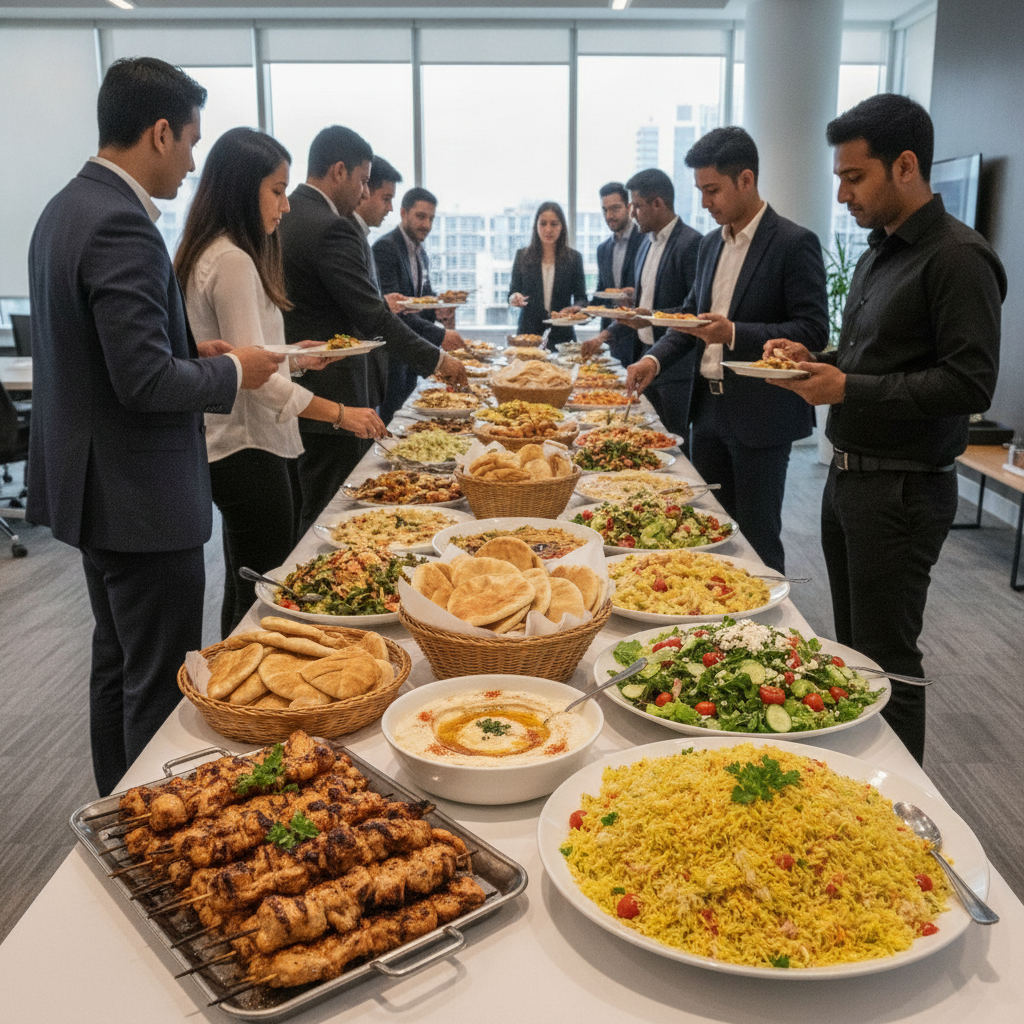
Halal catering in Toronto is the professional preparation and delivery of meals that meet Islamic dietary guidelines, verified for ingredients and handling. For offices across the GTA, it ensures Muslim team members can eat confidently at work events. From our Woodbridge base at Unit #23 120 Woodstream Blvd, LunchLink coordinates compliant menus and precise labeling.
By LunchLink • Last updated: 2026-06-16
Overview: Halal Catering Toronto at a Glance
Halal office catering in Toronto means meals are sourced, prepared, and labeled to meet Islamic dietary rules, with zero cross-contact from non-halal items. For workplaces, it reduces risk, improves inclusion, and boosts turnout. This guide explains standards, menu ideas, logistics, and best practices to avoid meal mix-ups.
Use this complete, practical guide to plan a reliable, inclusive halal-friendly experience for your next office lunch, meeting, or event. The content blends on-the-ground operations with strategic planning so you can standardize your approach across recurring programs.
• What halal catering is and how supplier verification works
• Why halal options matter for workplace culture and participation
• How LunchLink coordinates menus, labeling, and delivery windows
• Menu examples across Mediterranean, Mexican, Greek, and salad-forward sets
• Best practices that prevent cross-contact and utensil mix-ups
• Tools, templates, and a step-by-step process you can reuse
For deeper dives into corporate catering logistics, see our ultimate guide to corporate catering in Toronto and our operations playbook on boardroom-to-BBQ event flows. If healthy eating is a core objective, explore healthy office lunch strategies we implement across GTA meal programs.
What Is Halal Catering?
Halal catering is meal service that follows Islamic dietary law from sourcing to serving: permitted proteins, verified suppliers, and strict separation from non-halal items. Clear labeling and trained handling prevent cross-contact. In corporate settings, it ensures Muslim colleagues can dine confidently alongside everyone else.
In practical terms, halal means “permissible,” while haram means “prohibited.” These definitions guide purchasing, preparation, and service. Precision matters in high-volume environments where one tray may serve 30–50 people and a single utensil swap can affect dozens of plates.
• Permitted proteins: Beef, chicken, lamb, and seafood when sourced from halal-certified suppliers and handled according to guidelines.
• Prohibited items: Pork and its derivatives, alcohol (including in marinades or sauces), and non-halal gelatin or rennet in dressings or desserts.
• Handling: Separate prep areas or times, dedicated utensils, and staff training to prevent cross-contact during cooking and service.
• Documentation: Keep supplier attestations and ingredient sheets. Use tray, menu, and box labels for transparent identification.
For offices, the most common pitfalls include unlabeled trays, shared tongs, and ambiguous sauces. We address those with standardized labels, color coding, and mapped buffet layouts—controls that scale from 10 to 500+ guests. In our experience, clarity at a glance shortens lines and raises satisfaction scores.
Why Halal Catering Matters for Toronto Workplaces
Halal options increase inclusion and attendance, reduce food risk, and strengthen culture. When meals are clearly labeled and compliant, planners avoid last-minute scrambles, and teams feel seen. In diverse Toronto offices, halal coverage is a baseline for hospitality and brand reputation.
Toronto is one of the most diverse metro areas in North America, and inclusive food programs reflect that reality. In mixed-diet rooms, we routinely see participation jump when employees can spot their safe option in under five seconds. Reducing uncertainty reduces opt-outs.
• Inclusion that shows: Offering halal, vegan, gluten-free, nut-free, and dairy-free options signals respect across teams and visiting clients.
• Higher turnout: Clear labeling and compliant proteins encourage more employees to attend lunches, town halls, and offsites.
• Fewer incidents: Ingredient controls and trained handling reduce dietary and allergen errors, which is critical in groups of 50–300.
• Brand lift: Well-run food programs reflect operational care—valuable during recruiting, client meetings, and executive visits.
LunchLink has coordinated 850+ events, served 25,000+ employees, and reports a 98% client satisfaction rate across Toronto and the GTA. Those numbers come from consistent playbooks: verified proteins, disciplined layouts, and calm, repeatable handoffs at delivery.
How Halal Office Catering Works with LunchLink
A reliable halal program follows a structured flow: discovery, menu curation, supplier verification, precise labeling, timed delivery, and post-event review. LunchLink handles each step with corporate-friendly operations—one point of contact, consolidated invoicing, and formats for groups of 10–500+.
Most planners juggle headcounts, meeting agendas, building rules, and last-minute guest changes. A crisp, numbered process reduces stress and prevents mix-ups, especially when two or more dietary lines run in parallel.
• Discovery & headcount (10–15 minutes): Confirm halal coverage needs alongside vegan, gluten-free, nut-free, and dairy-free counts. Capture meeting time, room, and building access notes.
• Menu curation (same day): Select Mediterranean, Greek, Mexican, and salad-forward sets with halal-certified proteins. Balance hot and cold items for service speed.
• Supplier verification (once, then on file): Vet halal attestations and maintain documentation for audits or employee questions.
• Labeling plan (before production): Finalize naming, allergen callouts, and color coding for trays and individual boxes. Prepare a printed manifest.
• Logistics & delivery (day-of): Set delivery windows, drop-off location, elevator timing, and preferred service format (buffet vs individually packaged).
• Post-event review (5 minutes): Capture feedback and adjust the rotation for the next occurrence in your recurring program.
FormatBest forHalal controlsPlanner notes Individually packagedMixed dietary needs, client meetings, boardroomsSealed, labeled boxes minimize cross-contact riskFast distribution; easy headcount tracking by stack Buffet-styleLarge groups, town halls, training daysDedicated utensils, separated lines, clear signageUse maps and color-coded tags to avoid mix-ups Action stationsInteractive events, celebrationsStaff-attended lines to enforce ingredient controlsGreat engagement; pre-brief staff on service rules
For program owners managing multiple floors or sites, we align drop-off times in 10–15 minute windows, label every tray and box twice (front and top), and include backup utensils in case of mid-service swaps.
Soft CTA: Planning a recurring halal-friendly office lunch? Request a menu rotation and labeling preview during your initial discovery call. For immediate ideas, browse our halal corporate catering overview.
Types of Halal-Friendly Menus We Curate
Strong halal programs pair certified proteins with vibrant global sides. In Toronto offices, Mediterranean, Greek, Mexican, and salad-forward sets work well—supported by vegan and gluten-free options. Clear, consistent labeling ties it together so every guest can identify their meal in seconds.
Menu variety keeps engagement high across recurring programs while consistent labeling preserves clarity. Below are high-performing sets we see succeed in groups of 20, 60, 120, and 300.
• Mediterranean bowls: Halal chicken shawarma, saffron rice, fattoush, hummus, pickled turnips, and toum. Vegan falafel bowls mirror the same sides.
• Greek platters: Halal chicken souvlaki, roasted potatoes, Greek salad, rice pilaf, and lemon-herb sauces (dairy callout on tzatziki). Separate vegan dolma and chickpea salads.
• Mexican sets: Halal chicken tinga, cilantro-lime rice, black beans, pico de gallo, corn tortillas, and citrus slaw. Vegan black-bean fajita mix runs parallel.
• Salad-forward meals: Protein-topped salads with tahini or lemon-herb dressings; grain salads for sturdy, fork-friendly eating in 60–90 minute meetings.
• Vegetarian pairings: Falafel, roasted vegetables, lentil pilaf—clearly labeled as vegetarian/vegan to minimize confusion.
• Gluten-conscious swaps: Corn tortillas and rice bowls; verify dressing and marinade ingredients to avoid hidden gluten.
• Nut- and dairy-aware: Offer nut-free pestos and dairy-free dips; place any nut-containing or dairy-based sauces in separate, labeled containers.
• Breakfast halal: Egg bakes, potatoes, seasonal fruit, yogurt (dairy callout), and halal poultry sausages. Vegan tofu scrambles mirror the build.
• Client-meeting sets: Individually packaged Mediterranean or salad boxes with compliant proteins, labeled front and top.
• Conference buffets: Multi-line layouts with halal, vegan, and gluten-free lanes to speed service in large rooms.
• Pescatarian options: Grilled salmon or shrimp bowls with citrus-herb sauces; list shellfish callouts clearly.
• Seasonal rotations: Summer grills, winter warmers, spring salad medleys, and fall roast sets to keep menus fresh.
For inspiration, you can review examples of halal menu planning principles from regional venues like this overview of Middle Eastern halal catering considerations and a related page on halal catering menu planning. These perspectives echo the importance of menu clarity and service flow in mixed-diet rooms.
Each menu is paired with a labeling plan that calls out halal status, allergens, and cuisine for fast scanning—especially helpful for groups of 100+ where every 30 seconds of saved time per guest shortens lines by several minutes.
Best Practices to Avoid Meal Mix-Ups
Prevent mix-ups with three controls: consistent labels, physical separation, and staff briefings. Standardize naming, use color-coded tags, and keep halal trays and utensils isolated. A short pre-event huddle aligns reception, facilities, and catering staff on the flow.
Most service errors trace to two moments: the first two minutes of setup and the first five minutes of guest flow. A little structure at those moments removes 90% of risk.
• Labeling conventions: Put cuisine, halal status, and allergens on every box and tray—front and top—so stacks read correctly from any angle.
• Color coding: Assign colors to halal, vegan, gluten-free, and dairy-free; match tags to utensil handles and table tents.
• Physical separation: Space halal trays from others by at least one tray width; dedicate tongs and spoons per tray.
• Directional flow: For buffets, post a left-to-right map so guests move through proteins, sides, and sauces without backtracking.
• Digital headcount: Lock counts 24 hours prior and print a manifest by dietary category and floor.
• Allergen matrix: Keep a one-pager with dish-by-dish allergen checks for quick reference.
• Post-event notes: Document what worked and what didn’t to refine your rotation over weeks and months.
For individually packaged service, we stack boxes by category and place a large visual tag per stack. For buffets, utensil redundancy and mirrored lines reduce utensil swaps and congestion during peak rush by several minutes.
Want more context on corporate lunch pacing? This round-up of Toronto corporate lunch ideas highlights how balanced menus and line flow keep energy high through 60–90 minute gatherings.
Tools and Resources for Planners
Use digital headcount sheets, standardized labels, and vetted supplier docs to keep events tight. LunchLink’s forthcoming app adds individual ordering, dietary filters, live delivery tracking, and admin dashboards to simplify recurring programs.
Tools reduce cognitive load. When your team opens a template that already includes categories, counts, and color keys, execution speeds up and errors drop.
• Digital templates: Headcount by dietary category, labeling checklist, and buffet map you can print on a single page.
• Supplier files: Keep halal attestations and allergen specs handy for stakeholder assurance and onboarding new locations.
• Operational notes: Delivery window planning, floor access instructions, and room diagrams to avoid surprises.
• Technology: Individual ordering, live delivery tracking, and reorder history (via our upcoming app) for repeat events.
Pair tools with a five-minute pre-brief across reception, facilities, and any on-site event staff. That small step often prevents the majority of mix-ups in groups of 50–150.
If your goal is nutrition-forward programming, align this section with our guidance on healthy catering in Toronto and our office catering playbooks for multi-floor deployments.
Case Studies and Real-World Examples
Consistent labeling, disciplined layouts, and vetted proteins solve most halal challenges. These snapshots show how Toronto teams used structured setups to feed 60–300 guests smoothly, with zero cross-contact reports and strong post-event feedback.
We’ve found that the same three levers—labels, layout, and logistics—work regardless of group size. Here are anonymized examples from recent programs.
• Finance town hall, 120 guests: Mixed needs covered with halal Greek platters and vegan Mediterranean bowls. Two buffet lanes, mirrored utensils, and a printed flow map cleared the room in under 20 minutes.
• Healthcare training day, 60 guests: Individually packaged Mediterranean salads with halal chicken or falafel. Stacks labeled by color; all boxes distributed within five minutes of break start.
• Tech all-hands, 300 guests: Three parallel lines: halal shawarma bowls, vegan falafel bowls, gluten-conscious rice bowls. Extra utensil sets and sauce attendants prevented cross-contact.
• Client advisory meeting, 24 guests: Individually labeled Greek salads with halal souvlaki or vegan dolma; two extras per category handled late adds with zero confusion.
• Quarterly offsite, 90 guests: Halal Mexican bowls with corn tortillas; dairy-free crema placed separately with green labels and lactose notes.
• Department celebration, 150 guests: Buffet with distinct halal and vegan protein tables; identical sides at both lines reduced cross-traffic by 50%.
• Early-morning briefing, 45 guests: Halal-friendly breakfast with egg bakes and poultry sausages; color-coded coffee milks (dairy vs oat) minimized questions.
• All-staff training, 210 guests: Three mirrored buffet lines with visible utensil redundancy; manifest posted at entry, reducing bottlenecks.
• Leadership summit, 36 guests: Individually packaged protein salads and pescatarian options, arranged by category in 3x12 grids for easy pick-up.
• Product sprint, 70 guests: Salad-forward lunch with halal chicken, vegan falafel, and dairy-free dressings; map on a letter-sized sheet guided flow.
• Regional conference, 260 guests: Breakfast-to-lunch service with rolling hot boxes; quick utensil changeovers between seatings maintained compliance.
• Monthly program rollout, 80 guests: Repeating three-week rotation; survey response rates improved when labels included cuisine emojis next to category tags.
In each scenario, simple documentation—counts by category and a map sketch—prevented mid-service confusion. Repeatable controls produce predictable outcomes, event after event.
Local Guide: Halal Catering in Woodbridge and the GTA
For Woodbridge teams in ON L4L 7Z1, proximity matters. Coordinating halal office catering from our Unit #23 120 Woodstream Blvd base shortens lead times, supports same-day solutions when feasible, and keeps delivery windows reliable across the GTA.
Serving Toronto and surrounding areas means planning for traffic patterns, elevator access, and building security windows. We set realistic buffers so food arrives hot and labeled—ready for a quick setup. When programs span multiple floors, we schedule staggered drops in 10–15 minute increments.
Local considerations for Woodbridge
• Plan delivery buffers during peak commuter hours so halal trays remain sealed until setup.
• For winter events, request insulated carriers and reserve an on-floor staging area.
• During religious observances, align menus and timing with fasting schedules to maximize participation.
If you’re building a multi-month rotation, our team can align cuisines with seasons and office calendars. For example, grill-forward sets work well in summer town halls, while warm bowls and soups suit January and February production sprints.
Frequently Asked Questions
These quick answers address common planner questions—certification, labeling, mixed-diet events, and lead times—so your next halal-friendly lunch runs smoothly and confidently.
What makes a catered meal halal?
Halal meals use permitted ingredients and certified proteins, with preparation that avoids cross-contact with non-halal items. Alcohol and pork derivatives are excluded, and clear labeling confirms status for each dish or box.
How do you prevent mix-ups at large events?
We standardize labeling on every tray and box, color-code dietary categories, separate utensils, and brief staff on the buffet map. For 100+ guests, mirrored lines and extra serving tools reduce congestion and utensil swaps.
Can we combine halal, vegan, and gluten-free in one service?
Yes. We design parallel lines or stacks so each category stays isolated yet cohesive. Menus are curated so sides and sauces align with dietary needs, and all packaging is labeled for fast identification.
How far in advance should we book?
Advance notice secures more menu variety, but we support last-minute and same-day solutions when feasible. For recurring programs, we set rotations in advance and adjust headcounts with simple updates.
Key Takeaways
The safest halal office lunches rely on consistent labeling, physical separation, and a brief coordinated setup. Pair certified proteins with inclusive sides, and use mirrored lines for speed. A written manifest prevents 90% of service confusion.
• Source verified halal proteins and document them.
• Label every tray and box with cuisine, status, and allergens.
• Separate utensils and space trays to avoid cross-contact.
• Use mirrored buffet lines for groups over 100.
• Lock headcounts 24 hours before delivery and keep a manifest handy.
Conclusion and Next Steps
Halal corporate catering in Toronto is straightforward with the right structure: certified sourcing, precise labels, thoughtful layouts, and realistic logistics. Use this guide to standardize your process and deliver inclusive meals that boost turnout and morale.
To operationalize this quickly, align your program with three pillars: verified sourcing, visible labeling, and flow mapping. Then pick the right service format for your room and headcount—individually packaged for boardrooms or mapped buffets for large groups.
• Audit your current labeling and utensil plan this week.
• Decide between individually packaged boxes or a mapped buffet.
• Outline a seasonal rotation across Mediterranean, Greek, Mexican, and salad sets.
• Schedule a five-minute pre-brief for every event and document learnings.
Ready to plan a halal-friendly program across Toronto and the GTA? Explore our halal catering options and connect with our Woodbridge-based team for menus, labeling templates, and delivery timing that fit your calendar.