Catering
Meeting Catering: Save Time & Feed Teams Better in 2026
A practical 2026 guide to meeting catering in Toronto & the GTA. Learn formats, planning steps, labeling, logistics, Woodbridge tips, and how LunchLink streamlines meetings.
June 5, 2026 · Yash Patel
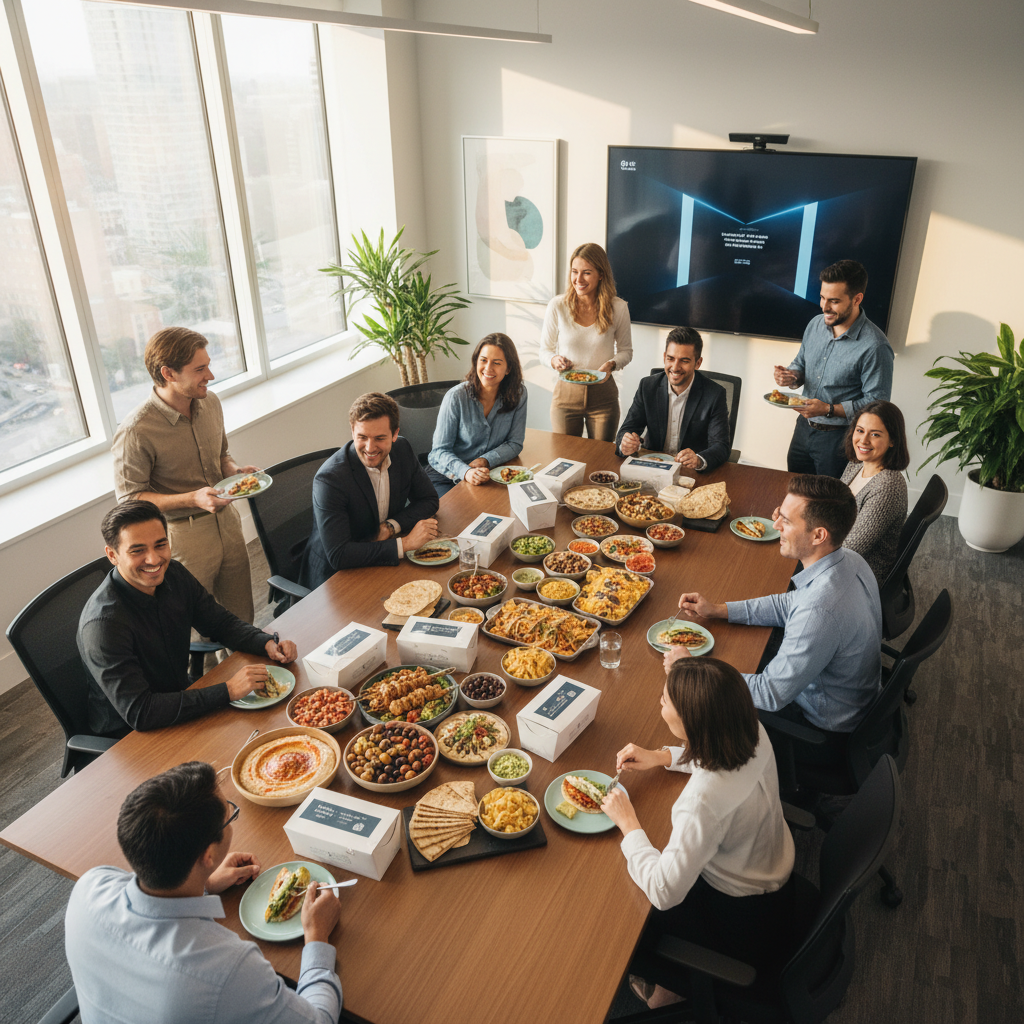
Meeting catering is the end-to-end planning, cooking, labeling, and on-time delivery of meals tailored for business meetings. From our Woodbridge base at Unit #23 120 Woodstream Blvd, LunchLink coordinates inclusive office menus and logistics for Toronto and GTA teams so you spend less time ordering and more time running the meeting.
By Yash Patel — LunchLink Last updated: 2026-06-05
Quick Summary
Meeting catering streamlines how offices feed attendees during boardrooms, workshops, and client presentations. Expect curated menus, dietary labeling, punctual delivery, and simple invoicing. LunchLink focuses on inclusive options, individually packaged or buffet-style service, and reliable logistics across Toronto and the GTA for 10–500+ people.
• What you’ll learn: definitions, formats, planning steps, logistics, dietary coverage, and rollout tips.
• Who this is for: office managers, EAs, People Ops, operations, and event planners.
• Why LunchLink: chef-curated variety, fully labeled meals, same-day capability, and corporate invoicing.
Table of contents
• What is meeting catering?
• Why meeting catering matters
• How meeting catering works with LunchLink
• Types of meeting catering
• Dietary accommodations and labeling
• Best practices for flawless meetings
• Tools and resources
• Pricing factors (no numbers)
• Case studies and examples
• FAQ
• Conclusion & next steps
Local considerations for Woodbridge
• Account for traffic windows between Woodbridge and downtown Toronto; set buffer times for high-priority client meetings.
• Plan seasonal menus that travel well in winter and humid summer conditions; choose insulated packaging for temperature safety.
• Align deliveries with office access procedures (dock, concierge, or elevator reservations) to keep meetings on schedule.
What is meeting catering?
Meeting catering is a coordinated service that designs, prepares, labels, and delivers meals for business gatherings. It covers menu planning, dietary accommodations, portioning, transport, setup, and cleanup. The goal is simple: keep attendees focused and energized while minimizing admin time for office teams.
Meeting catering sits at the intersection of food service and business operations. It’s built to support agendas, time boxes, and attendee needs without disrupting the workday.
• Definition in practice: curated menus for boardrooms, stand-ups, town halls, trainings, and client presentations.
• Core components: menu design, inclusive options, packaging, on-time logistics, and corporate-friendly invoicing.
• Delivery styles: individually packaged meals or buffet-style trays depending on group dynamics.
• Administrative layer: single point of contact, headcount flexibility, and transparent labeling.
For deeper context on corporate food programs, explore our ultimate corporate catering guide and our dedicated corporate catering service page.
Why meeting catering matters
Thoughtful meeting catering increases attendance, shortens breaks, and improves focus. Well-planned menus reduce allergen risk, eliminate time-wasting food runs, and keep agendas on track. The right partner turns meals into a tool for productivity, culture, and client experience.
Food is operational. When meals land at the right minute with the right labeling, you gain time back. You also support wellness and inclusion.
• Time savings: fewer late returns from off-site runs; smoother agenda transitions.
• Wellness impact: balanced options drive steady energy and reduce the afternoon crash.
• Inclusion by design: halal, vegan, gluten-free, nut-free, dairy-free, and pescatarian meals ensure everyone eats safely.
• Brand impression: client-facing meetings feel polished with professional presentation.
How meeting catering works with LunchLink
LunchLink simplifies meeting catering into four steps: plan the agenda and headcount, select inclusive menus, schedule delivery with buffer time, and receive labeled meals right to your room. One invoice, one point of contact, and reliable logistics keep your team focused.
In our experience, clarity upfront avoids last-minute fire drills. Here’s a streamlined flow we use with Toronto offices.
• Scope the meeting: agenda length, attendee count, stakeholders, room access, and dietary needs.
• Choose formats: boxed lunches for tight agendas; buffet-style for collaboration; breakfast for morning workshops.
• Lock logistics: delivery window, building instructions, elevator/dock access, and internal contact.
• Confirm labeling: attendee names or dietary tags for smooth distribution.
• Delivery & handoff: trays and meals arrive on schedule; hot and cold items are kept at safe temperatures.
We handle recurring schedules, too. Many teams set weekly lunches through our office catering program with rotating menus and consolidated invoicing.
Types of meeting catering
Meeting catering typically spans three styles: individually packaged meals for speed and safety, buffet-style trays for variety and collaboration, and breakfast setups for morning sessions. Pick the approach that fits agenda timing, room flow, and attendee preferences.
Your format should match how people will move through the room and how much time you can allocate to food service.
1) Individually packaged meals
• Best for: time-boxed agendas, training days, compliance sessions, and hybrid meetings.
• Strengths: fastest distribution, easiest labeling, least cross-contact risk.
• Popular picks: Mediterranean bowls, Greek chicken with sides, Mexican burrito bowls, hearty salads.
2) Buffet-style trays
• Best for: collaboration, workshops, team socials, and celebratory wins.
• Strengths: broad variety, flexible portions, efficient for larger groups.
• Popular picks: build-your-own taco bars, grilled proteins with roasted vegetables, mezze spreads.
3) Breakfast and morning fuel
• Best for: early client briefings, all-hands, or offsite kickoffs.
• Strengths: improved punctuality and engagement; sets a professional tone.
• Popular picks: egg bakes, yogurt parfaits, fresh fruit, and baked goods.
Need halal, vegan, or gluten-free within any style? Our inclusive menu coverage ensures every attendee is comfortable and safe.
Format comparison at a glance
Format Speed to Serve Cross-Contact Risk Variety Best Use Case Individually Packaged Fastest Lowest Moderate Tight agendas, trainings Buffet-Style Moderate Moderate Highest Workshops, socials Breakfast Setup Fast Low–Moderate Moderate Morning sessions Dietary accommodations and labeling
Safety is non-negotiable. Robust meeting catering covers allergies and preferences with clear labeling and cross-contact controls. LunchLink provides fully labeled halal, vegan, gluten-free, nut-free, dairy-free, and pescatarian options so everyone eats with confidence.
We’ve found clear labels cut distribution time by minutes per meeting and reduce attendee anxiety.
• Labeling approach: meal names, dietary tags (e.g., vegan), and allergens noted for quick scanning.
• Separation: dedicated packaging and carrier separation for top allergens.
• Menu breadth: Mexican, Mediterranean, Greek, and salad-forward options with inclusive variations.
Best practices for flawless meetings
Plan around the agenda, not the other way around. Lock headcount, format, and access details early; build buffer time into delivery; and over-communicate dietary needs. Consistent playbooks make meeting catering predictable, scalable, and stress-free.
Planning checklist
• Confirm room access, table space, and waste/compost locations.
• Finalize headcount 24 hours prior; identify VIP or client needs.
• Pick formats that match your agenda tempo and room flow.
• Group dietary needs and specify any severe allergens.
• Schedule delivery 15–30 minutes before food service begins.
• Designate a point person for the delivery handoff.
Menu building tips
• Balance proteins, grains, and produce to sustain energy.
• Offer at least one plant-based entrée and one gluten-free option.
• Pair sauces/dressings on the side to keep textures crisp.
• Choose items that travel well and serve neatly in the room.
• Rotate cuisines weekly to avoid menu fatigue.
To keep execution consistent, teams often document a one-page SOP aligned with our corporate lunch playbook.
Tools and resources
Use a simple stack: shared calendar invites with delivery windows, a reusable intake form for dietary needs, and an ordering partner that supports labeling and invoicing. LunchLink adds reliability with vetted kitchens, rotating menus, and corporate-friendly operations.
• Ordering workflow: one point of contact and consolidated invoicing for easy reconciliation.
• Menu rotation: keep engagement high with Mexican, Mediterranean, Greek, and salad-forward cycles.
• Data-friendly future: our upcoming app enables individual ordering, live tracking, and admin dashboards.
Get a meeting-ready plan
Share your agenda and headcount, and we’ll recommend a menu and format that fits your room flow. Need halal, vegan, or gluten-free? We’ll label everything for fast distribution.
Start your office catering plan
Meeting catering pricing factors (no numbers)
Catering investment varies by headcount, cuisine, format, and dietary complexity. Individually packaged meals add labeling and packaging value; buffets emphasize variety and scale. Delivery windows, building access, and service add-ons influence overall scope—so align expectations early.
• Headcount and portions: larger groups benefit from scale; tight agendas favor boxed meals.
• Cuisine and customization: premium proteins, specialty diets, and custom builds shape the scope.
• Service level: drop-off vs. setup, reusable platters vs. disposables, and post-event cleanup.
• Timing and access: rush windows, security procedures, and elevator/dock bookings.
• Recurrence: weekly programs streamline planning and menu variety.
We focus on right-sizing portions, minimizing waste, and matching format to the agenda so you get value where it matters most—engagement and outcomes.
Case studies and examples
Real Toronto teams streamline meetings with inclusive menus and tight delivery windows. From finance boardrooms to healthcare town halls, labeled meals and predictable logistics keep agendas on time and guests confident.
Finance: Quarterly board meeting
• Goal: executive session with client observers; zero room disruption.
• Approach: individually packaged Mediterranean bowls with attendee names; delivery 30 minutes pre-session.
• Outcome: 100% on-time starts; five-minute distribution; seamless dietary coverage.
Healthcare: Lunch-and-learn series
• Goal: educate clinical teams across alternating campuses.
• Approach: rotating Greek and Mexican buffets; plant-forward options; allergen separation.
• Outcome: steady attendance growth and positive feedback on labeling clarity.
Education: Admissions open house
• Goal: feed visiting families and staff throughout the day.
• Approach: breakfast setup for volunteers; midday boxed lunches; late-afternoon snack platters.
• Outcome: improved schedule adherence and smoother guest flow.
Looking to level up program-wide? See our perspective on elevating office meals in this practical overview.
Meeting catering in Woodbridge and the GTA
For Woodbridge and ON L4L 7Z1 teams, the winning playbook is buffer time, travel-friendly menus, and clear meeting-room instructions. LunchLink’s local operations coordinate reliable handoffs across the GTA so your agenda never competes with delivery logistics.
• Buffer smartly: add extra minutes for 400-series traffic and downtown unloading.
• Choose travel-proof items: bowls, wraps, roasted vegetables, and sauces on the side.
• Share building notes: access codes, concierge contacts, and loading details speed the handoff.
Healthy availability matters wherever you meet. Each response is concise, definitive, and grounded in our Toronto-area operations.
What should I include in a meeting catering brief?
List date, delivery window, headcount, agenda timing, room access, and dietary needs. Include preferred formats (boxed or buffet) and any client-facing expectations. This ensures the menu, labeling, and logistics match your meeting flow.
Is boxed lunch or buffet better for meetings?
For tight agendas, boxed lunches distribute faster and reduce cross-contact risk. For collaboration or larger groups, buffets offer variety and flexible portions. Choose based on timing, room layout, and dietary complexity.
How do you handle allergies and dietary restrictions?
We provide fully labeled meals with clear dietary tags and separate packing for top allergens. Options include halal, vegan, gluten-free, nut-free, dairy-free, and pescatarian. Clear instructions help attendees grab the right meal quickly and safely.
How far in advance should I book meeting catering?
Book as soon as your agenda is set. For recurring programs, schedule a rolling cadence. For last-minute needs, contact us—our vetted partner network supports rapid-turn orders when operationally feasible.
Conclusion and next steps
Great meeting catering turns meals into momentum. Plan around agendas, match formats to flow, and use inclusive labeling to serve everyone quickly. With LunchLink as your reliable partner, you’ll save time, reduce risk, and make meetings more productive.
• Key takeaways: plan early, label clearly, and right-size portions to agendas.
• Start with a simple brief: timing, headcount, dietary needs, and access notes.
• Use rotating menus to keep engagement high week after week.
Ready to streamline meeting catering? Share your meeting brief and we’ll recommend a menu, format, and delivery window tailored to your room flow. Book a planning call for Woodbridge and GTA.