Catering
Personalized Catering: Make Every Guest Feel Seen in 2026
Personalized catering for Woodbridge offices: labeled meals, halal/vegan/gluten-free options, buffet or boxed formats, and reliable delivery with LunchLink.
June 25, 2026 · Yash Patel
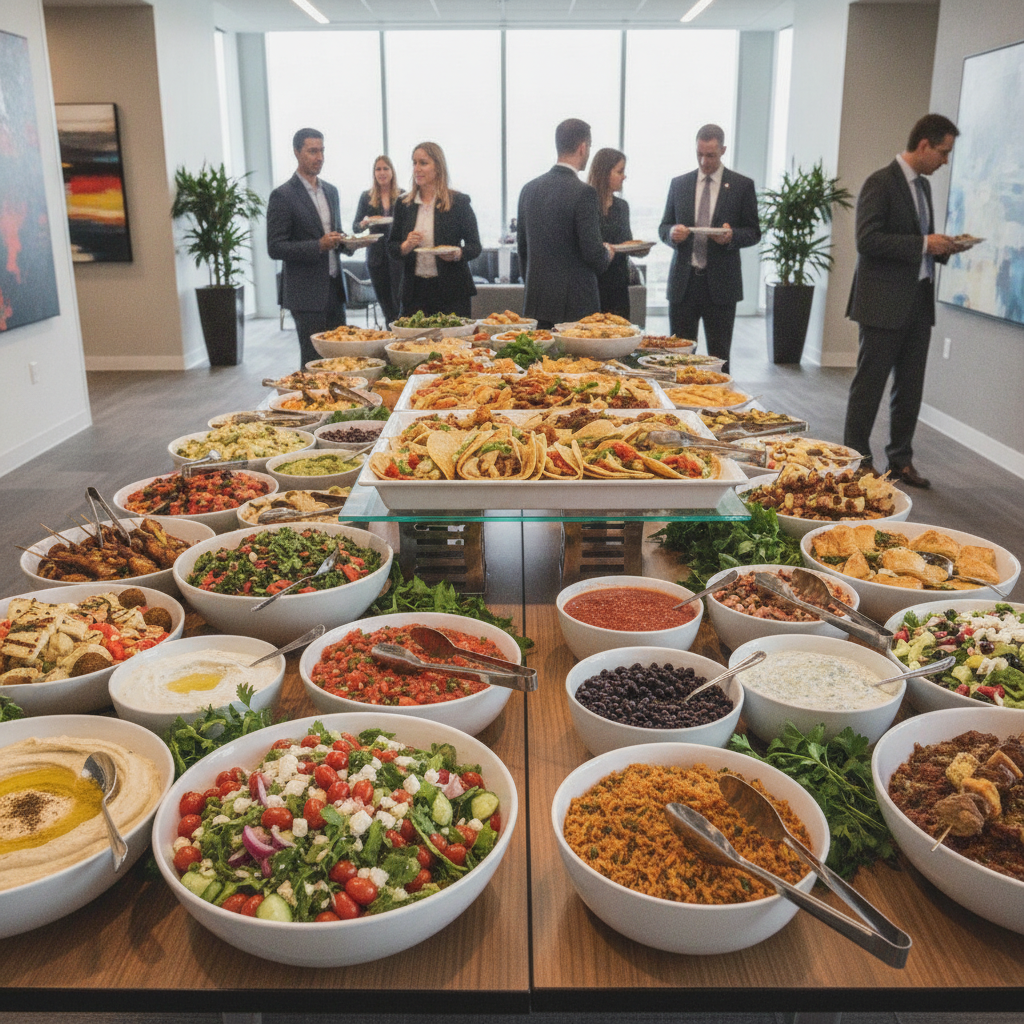
Personalized catering is the practice of tailoring menus, formats, and labeling to each group’s tastes and dietary needs so every guest eats confidently. For Woodbridge offices, that means halal, vegan, and gluten-free choices, clear ingredient labeling, and logistics tuned to meeting times—services LunchLink coordinates daily for corporate teams across the GTA.
By Yash Patel — LunchLink Last updated: June 25, 2026
Overview: Personalized Catering for Modern Workplaces
Personalized catering aligns food, format, and logistics with your team’s needs. It combines inclusive menus, clear allergen labeling, and precise delivery timing so meetings run smoothly. For Woodbridge companies, a personalized approach boosts participation, reduces waste, and supports wellness while staying effortless for office managers and event planners.
Here’s the thing: food only lands well when it feels intentional. A one-size-fits-all platter risks allergens, awkward workarounds, and disengaged guests. A tailored spread—matched to schedules, nutrition goals, and cultural preferences—turns a meal into momentum.
• What you’ll learn in this guide
• How personalized catering works with LunchLink
• Menu formats (boxed, buffet, stations) and when to use each
• Labeling, allergen safety, and dietary inclusion
• Delivery, setup, and recurring office meal programs
• Best practices, tools, and real examples from Toronto workplaces
At a glance (table of contents)
• What is Personalized Catering?
• Why Personalized Catering Matters
• How Personalized Catering Works with LunchLink
• Types and Approaches
• Best Practices
• Tools and Resources
• Case Studies and Examples
• Frequently Asked Questions (FAQ)
• Conclusion and Next Steps
Quick Summary
Personalized catering is inclusive by design: it maps real dietary needs to labeled meals and schedules. The result is higher satisfaction, fewer logistics issues, and better meeting flow. LunchLink pairs chef-curated menus with corporate-friendly processes so Woodbridge teams get accurate, on-time, and clearly labeled meals—every time.
In our experience coordinating hundreds of GTA deliveries, the winning formula is simple: clarify needs, choose the right format, label clearly, and land the drop with precision. When those four pillars align, satisfaction and attendance jump.
Local considerations for Woodbridge
• Plan for weekday rush windows. Morning drop-offs need firmer buffers to avoid traffic-related delays; schedule earlier for all-hands meetings.
• Account for seasonal shifts. Summer heat requires tighter hot-and-cold holding; winter brings building access and vestibule wait times.
• Confirm building protocols. Loading dock access and elevator timing affect setup, especially for buffet lines and hot equipment.
What Is Personalized Catering?
Personalized catering is the intentional customization of menus, packaging, portioning, and labeling for a specific group. It covers dietary restrictions, cultural preferences, and schedule needs. The goal is simple: make every attendee feel seen—and keep the event running on time without guesswork or unsafe food swaps.
Practically, this looks like labeled boxed meals for workshops, halal and vegan mains in the same buffet line, or pescatarian options during client meetings. It also includes timing meals to agenda beats, so transitions stay crisp.
• Menu tailoring: Global flavors (Mediterranean, Mexican, Greek) adapted to dietary profiles.
• Dietary coverage: Halal, vegan, gluten-free, nut-free, dairy-free, and pescatarian options.
• Packaging and format: Individually packaged meals for workshops; buffet-style for town halls.
• Clear labeling: Ingredients and allergens called out, reducing risk and confusion.
• Logistics fit: Delivery windows aligned to meeting starts, not just business hours.
Why Personalized Catering Matters
Personalized catering drives inclusion, attendance, and productivity. When meals match needs and are labeled clearly, fewer people opt out, sessions restart on time, and waste drops. For office managers, it means fewer last-minute fires—and a consistent, professional standard across events.
Food is culture—and operational leverage. Teams show up when food respects their values and needs. Unmet dietary requirements erode trust; inclusive menus do the opposite. That’s why we front-load discovery and labeling.
• Inclusion and trust: People eat when they feel safe and considered.
• Operational control: Fewer Slack pings, fewer hallway scrambles, and smoother meeting restarts.
• Wellness and energy: Balanced menus sustain attention during long agendas.
• Waste reduction: Right-sizing portions by role, event type, and time of day.
Food safety is also non-negotiable. A widely cited public health estimate notes that roughly one in six Americans experiences foodborne illness annually. See CDC foodborne illness burden for context. Operationally, that’s why hot-and-cold controls, transport, and timing matter.
Want a deeper dive into corporate-specific dynamics? Our ultimate guide to corporate catering unpacks cadence planning, sign-offs, and cross-department approvals.
How Personalized Catering Works with LunchLink
We map your headcount and dietary needs to a curated menu, select the best format (boxed, buffet, or stations), label every item, and schedule a precise delivery window. You get a single point of contact, consolidated invoicing, and consistent standards across Woodbridge and the GTA.
In our workflow, clarity beats complexity. We collect attendee needs up front, translate them into a balanced menu matrix, and lock delivery timing to your agenda. The result: fewer surprises, more participation.
Five-step planning flow
• Discovery: Purpose, venue access, dietary mix, timing, and equipment constraints.
• Menu design: Pair global flavors with labeled variants (vegan, halal, gluten-free).
• Format selection: Boxed for workshops; buffet for mixed-attendance events; stations for networking.
• Labeling & logistics: Ingredient/allergen callouts; route and arrival buffers confirmed.
• Delivery & follow-up: On-time drop, setup checks, and post-event feedback loop.
Choosing the right service format Format Best for Pros Considerations Individually packaged Workshops, training, offsites Fast distribution; labeled; easy to track dietary needs More packaging; seating not required but surfaces help Buffet-style Town halls, celebrations, mixed preferences Variety; communal energy; easy seconds Needs space and line flow; label clarity is crucial Action stations Networking, client events Interactive; custom portions; fresh feel Staffing and setup time; queue management Temperature control is key when selecting formats. Hot food should arrive hot and cold food cold. Explore our corporate catering in Toronto and office catering services to match your event profile.
Types of Personalized Catering Approaches
Personalized catering spans packaging, cuisine, and service style. Choose boxed meals for training speed, buffet lines for variety, and stations for interaction. Layer in halal, vegan, gluten-free, nut-free, dairy-free, and pescatarian options—and label everything so guests can decide in seconds.
By packaging and service style
• Individually packaged meals: Best for workshops, audits, and heads-down sessions with minimal cleanup.
• Buffet-style catering: Great for celebrations, town halls, and cross-functional mixers where choice matters.
• Hybrid formats: Boxed mains plus a small buffet of sides and desserts for flexibility.
By cuisine theme
• Mediterranean: Grilled proteins, grain salads, and mezze that adapt well to vegan and gluten-free labeling.
• Mexican: Build-your-own bowls or tacos with clear protein and allergen callouts.
• Greek: Balanced spreads with fresh salads, roasted vegetables, and yogurt-based dips offered alongside dairy-free alternatives.
• Healthy salads: Protein add-ons and dressings on the side to serve diverse preferences.
By dietary accommodation
• Halal-friendly menus: Trusted sourcing and separate handling; see our halal corporate catering overview.
• Vegan and dairy-free: Plant-forward mains with smart protein variety.
• Gluten-free and nut-free: Ingredient controls and dessert alternatives to avoid exclusion.
• Pescatarian options: Lighter proteins for afternoon energy.
For recurring meal programs, rotating global themes keep engagement high without menu fatigue. Our office lunch catering playbooks alternate cuisines by weekday, aligning spice levels and portioning to meeting load.
Best Practices for Planning, Safety, and Engagement
Tools and Resources (Ordering, Tracking, and Checklists)
Use simple intake forms, a reusable menu matrix, and a delivery window playbook. LunchLink provides a single point of contact today—and is developing an app for individual ordering, live tracking, dietary filters, and admin dashboards to streamline recurring office meals.
Strong tools turn good catering into reliable catering. We keep your process lightweight and repeatable.
• Intake checklist: Date, headcount, dietary categories, delivery window, building access, and format preference.
• Menu matrix: Pair each dietary category with 2–3 default mains and sides to speed approvals.
• Delivery playbook: Loading dock instructions, floor contact, and elevator contingencies to protect timing.
• Recurring cadence: A four-week rotation of Mediterranean, Mexican, Greek, and salad-forward menus to avoid fatigue.
If you’re building a quarterly plan, our budget-friendly office catering tips outline portion planning, rotation tactics, and waste reduction ideas without compromising inclusion.
Free planning consult: Share your headcount and dietary mix. We’ll map a personalized catering plan with labeled menu options and a delivery playbook for your next Woodbridge event.
Start the conversation
Case Studies and Real-World Examples
Personalized catering scales from a 12-person workshop to a 400-person town hall when planning stays consistent. These GTA-tested scenarios show how labeled menus, format selection, and tight delivery windows keep events on track—and guests genuinely satisfied.
Workshop with mixed dietary needs (Woodbridge)
• Context: Half-day training; limited break time; mix of halal, vegan, and gluten-free attendees.
• Approach: Individually packaged meals with clear lids; labels highlighting protein and allergens.
• Result: Faster distribution; zero confusion at break; full attendance for the afternoon block.
Town hall celebration (Toronto HQ)
• Context: Cross-functional crowd; varied preferences; celebratory tone.
• Approach: Buffet line with dual-sided service; dietary variants first; separate utensils to reduce cross-contact.
• Result: Shorter lines; higher engagement post-meal; easy seconds without delays.
Client steering committee lunch (downtown)
• Context: External guests; impression matters; timeboxed agenda.
• Approach: Mediterranean spread with pescatarian mains and dairy-free dessert options; discreet labels; strict delivery window.
• Result: Polished feel; smooth transitions; positive client feedback on inclusion.
Recurring weekly office lunches (hybrid team)
• Context: Fluctuating attendance; desire for variety without admin overhead.
• Approach: Four-week rotation across Mediterranean, Mexican, Greek, and salads; pre-approved variants per dietary category.
• Result: Predictable operations; maintained interest; measurable waste reduction.
Want help translating these to your floor plan and schedule? Our boardroom-to-BBQ guide shares layout examples and service tips.
Frequently Asked Questions
These concise answers address the most common questions we hear from Woodbridge offices about personalized catering—dietary labeling, format selection, headcount swings, and food safety. Each response is designed to be actionable for your next event.
What does “personalized catering” include for workplace events?
It covers tailored menus, labeled meals for major dietary needs (halal, vegan, gluten-free, nut-free, dairy-free, pescatarian), the right service format, and precise delivery timing. We map these elements to your agenda and building access so food arrives ready to serve without guesswork.
How do we reduce risk for allergies at a buffet?
Place labeled dietary variants first, assign separate utensils per dish, and post simple allergen notes. For severe allergies, consider individually packaged meals to minimize cross-contact.
When should we choose boxed meals over a buffet?
Choose boxed meals when breaks are short, seating is dispersed, or dietary tracking is complex. Buffets shine for celebrations and mixed-attendance events where variety encourages participation. Hybrid formats—boxed mains with a side buffet—balance speed and choice.
What are the key food safety practices during office events?
Maintain safe holding temperatures (hot at 140°F+, cold at 40°F or below), stage utensils to reduce cross-contact, and time delivery close to service. Clarify needs, choose the right format, label clearly, and land the delivery window. Do that consistently, and your meetings feel smoother—and more people eat well.
Key takeaways
• Personalization = inclusion, clarity, and on-time sessions.
• Format follows function: boxed for speed, buffet for choice, stations for networking.
• Labeling reduces risk and hesitation; temperature control protects quality and safety.
• Rotations prevent menu fatigue in recurring programs.
Action steps
• List dietary categories for your next event and choose a default main for each.
• Pick a format aligned to your agenda and room layout.
• Lock a precise delivery window with clear building access notes.
• Explore LunchLink corporate catering for a personalized plan that fits your Woodbridge team.