LunchLink workplace catering guide
Taco or bowl bar vs. individually packaged meals
Compare taco and bowl bars with individually packaged Mexican catering for office meetings, team lunches, dietary labels, setup, guest flow, and cleanup.
LunchLink Editorial Team
Research and writing
LunchLink Catering Planning Team
Operational review
Direct answer
The short answer
Choose a taco or bowl bar when the team has sufficient room, serving time, setup support, and a workable dietary plan. Choose individually packaged meals when named selections, fixed seats, staggered breaks, quick distribution, or protected portions matter more. Confirm that the selected restaurant actually offers the format and required menu.
At a glance
Key takeaways
- Match the format to the agenda and room
- A bar offers customization but needs setup and guest flow
- Individual meals simplify distribution but require a selection deadline
- Verify every ingredient, label, inclusion, and price
Compare the operational tradeoffs
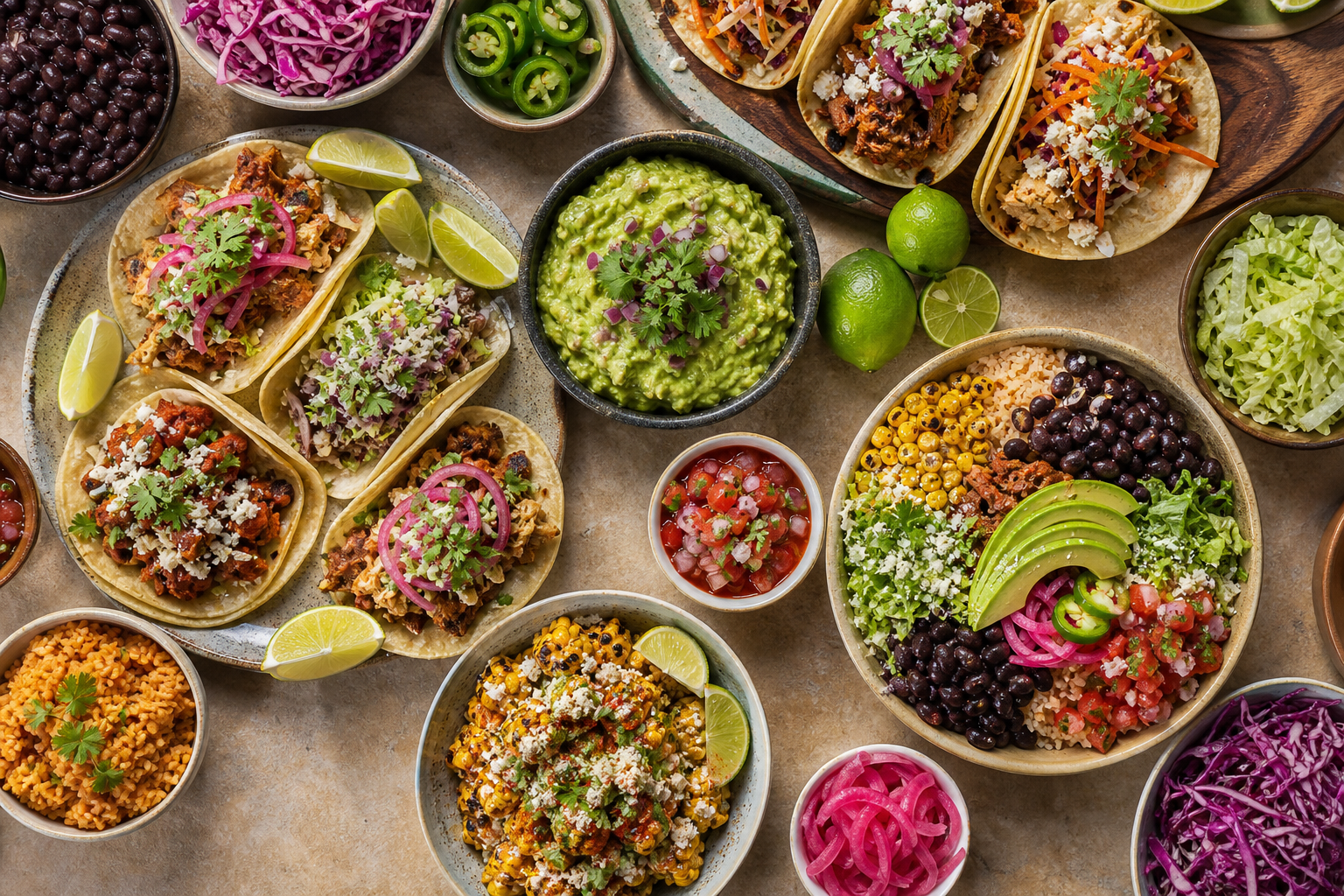
A build-your-own bar separates bases, fillings, toppings, and sauces so guests can assemble a meal. It needs tables, an ordered serving line, utensils, temperature management, labels, and cleanup.
Individual meals shift assembly to the restaurant and can simplify pickup, but the organizer must collect selections and reconcile labels.
| Factor | Taco or bowl bar | Individual meals |
|---|---|---|
| Distribution | Serving line and guest flow | Quick pickup or seat placement |
| Customization | Guests choose confirmed components | Choices fixed before production |
| Room | More table and setup space | Less service space; more packaging |
| Dietary handoff | Dish labels and protected utensils | Package labels and separated meals |
Choose around the meeting
A social lunch with a dedicated room can support a bar. A boardroom presentation, short workshop break, fixed-seat session, or staggered shift often favours individual meals.
Walk through arrival, setup, serving, eating, and cleanup before comparing menu names.
Write the complete menu brief
Confirm bases, proteins, plant-based mains, beans, vegetables, tortillas, toppings, sauces, sides, serving utensils, plates, napkins, quantities, and heat levels.
The restaurant's current menu and recommended quantities are authoritative; do not construct an imaginary package from generic Mexican dishes.
Protect dietary meals
Ask about ingredients, substitutions, shared equipment, preparation and cross-contact. A corn tortilla or vegetable filling does not by itself establish suitability.
For a bar, protect identified dishes and utensils. For individual meals, confirm label language, separation and the person responsible for distribution.
Compare the complete quote
Compare food, packaging, delivery, setup, serviceware, holding equipment, staffing, cleanup, tax, fees, minimums, deadlines and cancellation terms on the same headcount and address.
Select the format only after the room and provider can support the written plan.