LunchLink workplace catering guide
Workplace food trends 2027: what Toronto teams want for office lunch
Plan Toronto office lunch for 2027 around hybrid attendance, employee choice, dietary confidence, budget clarity, delivery reliability, and useful feedback.
LunchLink Editorial Team
Research and writing
LunchLink Catering Planning Team
Operational review

Direct answer
The short answer
For 2027, Toronto employees are likely to value office lunches that respect hybrid attendance, offer enough choice without creating ordering chaos, handle dietary requirements clearly, arrive reliably, and feel worth the commute. The practical takeaway for workplace planners is not to chase novelty. Build a lunch brief around attendance, format, budget, dietary verification, delivery handoff, and feedback, then choose current menus that fit those constraints.
At a glance
Key takeaways
- Hybrid attendance makes accurate headcount and selection cutoffs more important than a bigger menu.
- Employees want choice, but the program still needs clear limits, labels, and a workable ordering flow.
- Dietary confidence depends on provider confirmation, not generic cuisine labels.
- Food-cost pressure makes complete quote clarity more useful than a flashy trend menu.
- The strongest 2027 office lunch programs will measure participation, waste, delivery issues, and repeat requests.
The trend is not novelty. It is controlled choice.
The most useful 2027 workplace food trend for Toronto offices is not a single cuisine or viral dish. It is controlled choice: enough variety for employees to feel considered, with enough structure for the office manager to confirm counts, labels, budget, delivery, and invoices before the order is accepted.
That matters because hybrid teams do not behave like a full-time five-day office. Some employees will be onsite only for anchor days, training sessions, client meetings, or team events. A lunch program that assumes the full roster will eat every time risks waste, shortages, and unnecessary coordination.
| Trend signal | What employees may expect | What the planner should control |
|---|---|---|
| Hybrid attendance | Lunch on days that feel worth coming in for | Expected onsite count, RSVP cutoff, guest count, and non-response rule |
| Choice without chaos | A few relevant options rather than one forced meal | Menu boundaries, selection method, labels, and final approval deadline |
| Dietary confidence | Meals they can identify and trust enough to eat | Requirement intake, provider confirmation, protected labels, and handoff owner |
| Budget awareness | Lunch that feels generous without waste | Complete quote scope, delivery, packaging, serviceware, tax, and approval limit |
| Reliable handoff | Food ready when the meeting or break starts | Address, loading, elevator, room, receiver, delivery window, and backup contact |
Hybrid work changes what a good lunch has to do
A hybrid office lunch often has two jobs at once: feed the people who are onsite and make the office day feel easier to choose. That does not mean every lunch needs to become an event. It means the meal should match the reason people are together, such as a training day, team sprint, onboarding session, client meeting, or regular anchor day.
Use expected onsite attendance, not the total employee roster. If the lunch is tied to a recurring in-office day, keep a record of expected and actual attendance over several services before changing the guarantee rule. A single unusually quiet or busy day is not a trend by itself.
- Name the reason people are onsite
- Count onsite employees, guests, facilitators, and support staff separately
- Set an internal response deadline before the provider cutoff
- Track expected attendance against actual pickup or servings
- Review several meals before changing the program rule
- Keep occasional events separate from recurring program assumptions
Employees want practical choice, not unlimited choice
Choice works best when it reduces friction. For some Toronto teams, that means individually selected meals with names or dietary labels. For others, it means a shared spread with enough vegetarian, protein, lighter, and familiar options to serve the room quickly. Unlimited choice can slow approvals, increase missed cutoffs, and make receiving harder.
A strong brief should state how many choices employees will see, who approves them, when selections close, what happens if someone does not respond, and whether protected dietary meals are packed separately. The selected restaurant or partner still has to confirm current menu availability and labels.
| Choice model | Best fit | Watchout |
|---|---|---|
| One shared menu | Short meetings, simple teams, familiar cuisine | Can fail when dietary requirements are not verified early |
| Two or three curated options | Hybrid teams that want variety without a long ordering flow | Needs a clear selection deadline and fallback rule |
| Named individual meals | Fixed seating, staggered schedules, protected portions, or dietary-heavy groups | Requires labels, reconciliation, and pickup control |
| Rotating recurring program | Teams with repeatable attendance and one accountable owner | Needs feedback and participation tracking, not novelty for its own sake |
Dietary planning has to move earlier
By 2027, dietary planning should not be a late note after the menu is chosen. Employees may need vegetarian, vegan, halal, gluten-aware, dairy-aware, allergy-related, or other accommodations, and those requirements affect provider selection, menu confirmation, labels, and onsite distribution.
Do not rely on cuisine names as proof. A Mediterranean, Indian, Mexican, pizza, or salad menu can still require item-level confirmation. Ask the selected provider about current ingredients, substitutions, preparation limits, cross-contact information where relevant, and how identified meals will be labelled and separated.
- Collect requirements privately and early
- Separate preference, religious requirement, intolerance, allergy, and cross-contact concern
- Ask provider-specific questions for the selected current menu
- Confirm labels before the order is accepted
- Assign one onsite person to protect dietary distribution
- Reconfirm when the menu, provider, or recipe changes
Budget clarity matters more as food costs stay visible
When food prices stay visible to households and businesses, workplace lunch has to justify its total cost. Employees may see the meal as a perk, but finance and office teams still need a complete quote that separates food, delivery, packaging, serviceware, staffing, rentals, tax, and change rules.
A 2027 lunch plan should avoid comparing a food subtotal with an all-in proposal. The planner should ask what is included, what is optional, and which costs are fixed versus headcount-based. That makes it easier to choose between individual meals, platters, buffet-style service, or a recurring program.
| Budget area | Question to ask | Why it matters |
|---|---|---|
| Food | Is the price per person, per tray, per package, or quote-only? | Prevents false comparisons |
| Delivery | Does delivery include floor handoff, parking, and basic setup? | Protects the meeting start |
| Packaging | Are labels, serviceware, and utensils included? | Affects individual-meal and dietary workflows |
| Staffing | Is setup, replenishment, cleanup, or pickup needed? | Changes the complete event cost |
| Changes | When do counts, selections, or cancellations lock? | Reduces last-minute disputes |
Toronto offices should plan the last metres, not only the menu
A lunch trend is not useful if the food is late, stuck at reception, missing labels, or waiting for an elevator while the meeting starts. Toronto office buildings can add access, loading, security, floor, room, and receiver details that matter as much as the menu.
For each order, write the delivery path in plain language: address, tower or unit, entrance, loading or parking note, elevator, floor, room, delivery window, eating time, onsite receiver, backup contact, setup surface, and any temporary access issue. Reuse the stable parts for repeat lunches, but reconfirm the room and receiver each time.
- Complete address and building name
- Entrance, loading, or parking instructions
- Elevator, floor, room, and setup surface
- Delivery window and target eating time
- Primary and backup onsite receiver
- Label, serviceware, and count-check process
The formats Toronto employees are likely to appreciate
The best format depends on the workday. A training day may need low-mess individual meals. A team celebration may benefit from a shared spread. A hybrid anchor day may need two or three curated options and a response cutoff. A client meeting may prioritize clean packaging, timing, and predictable portions.
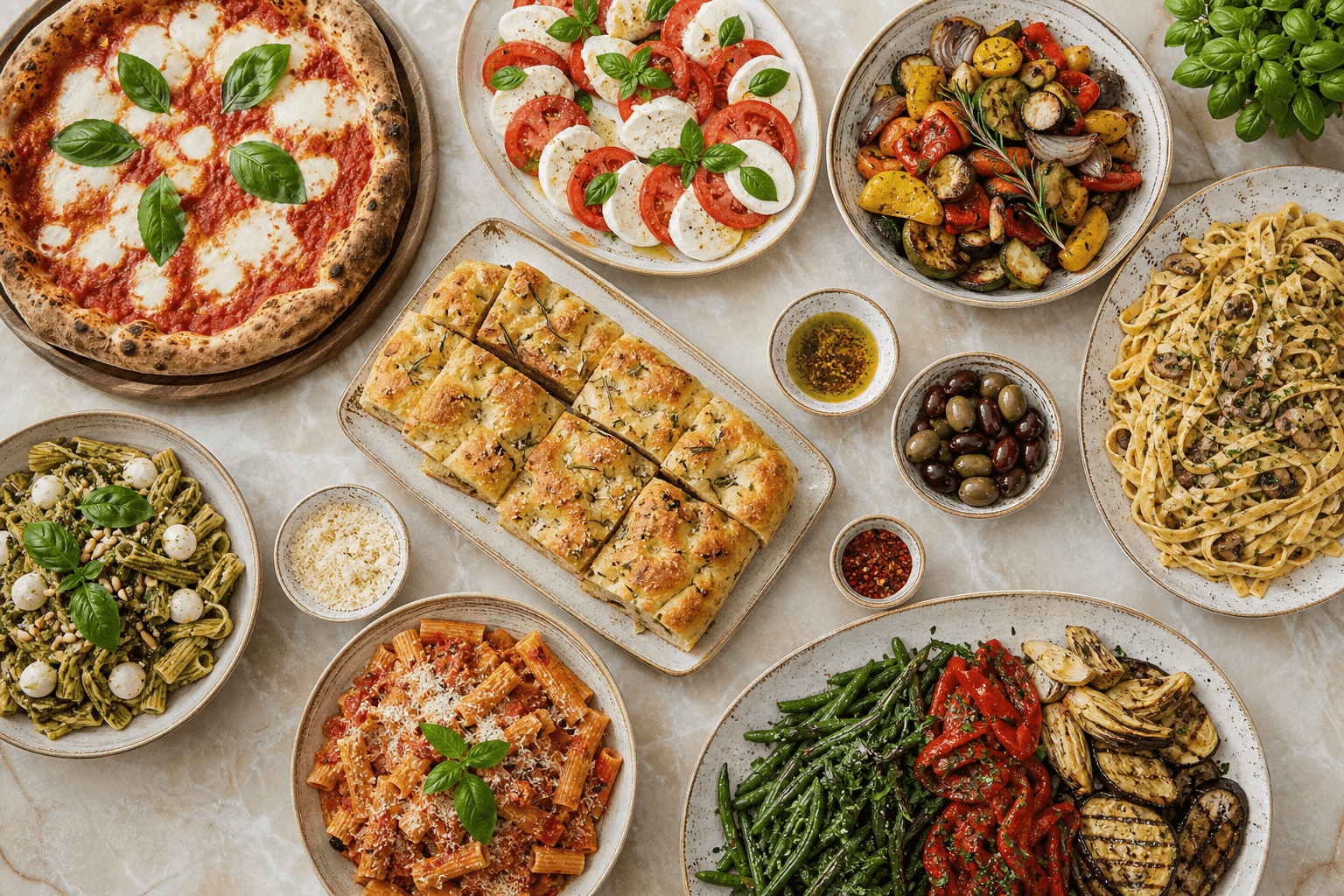
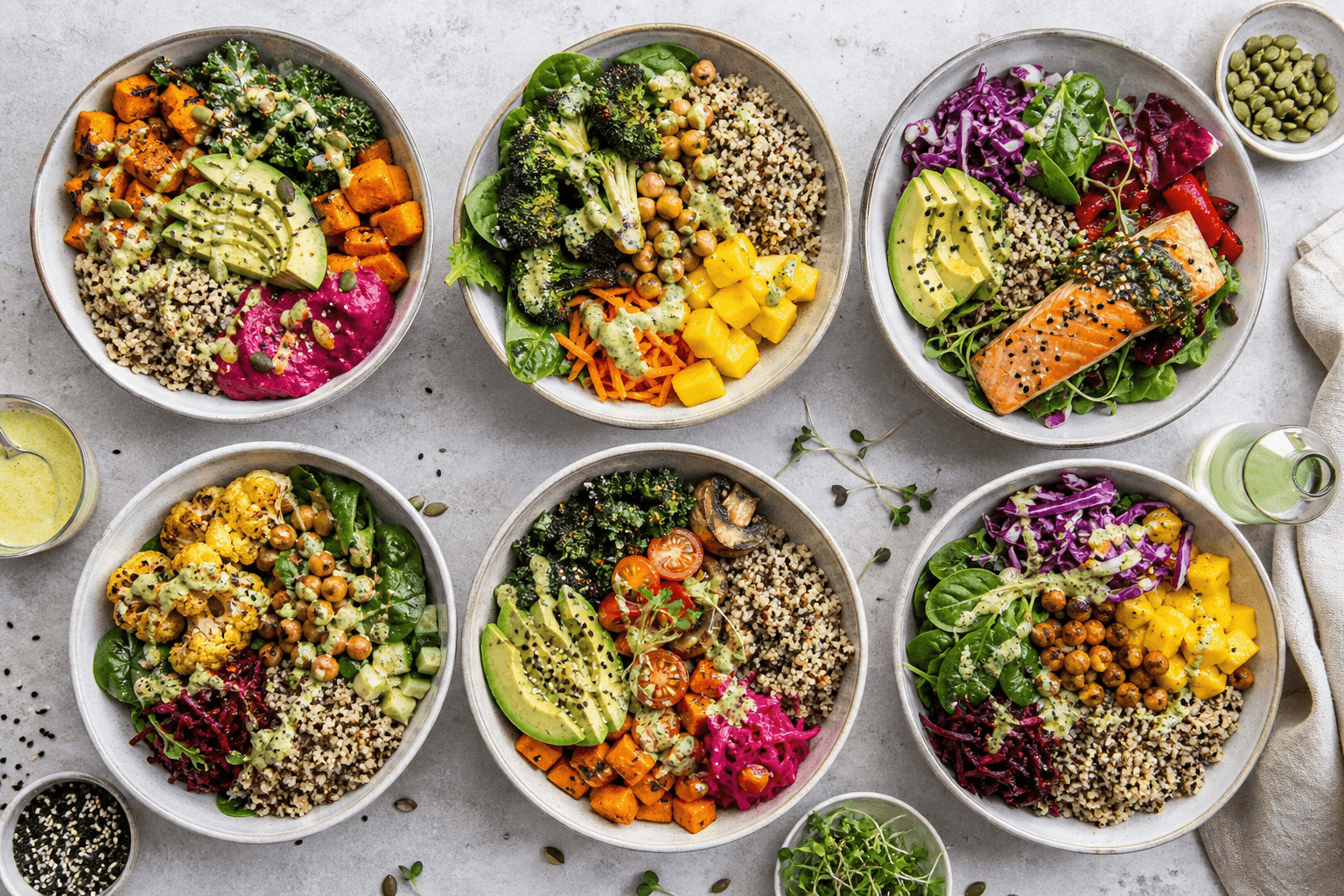
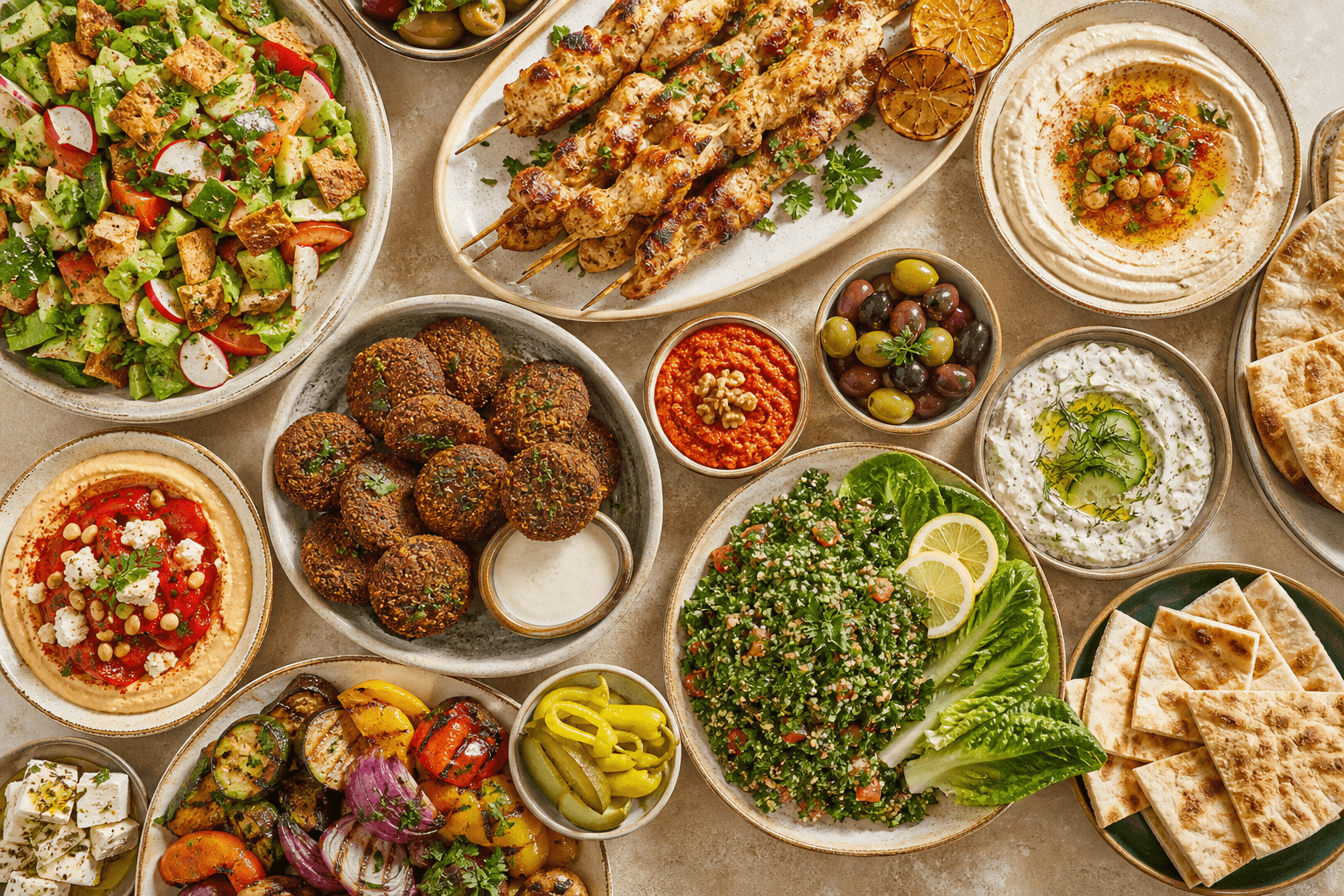
Use trend language only after the operational fit is clear. Bowls, wraps, breakfast, pizza, Mediterranean, Indian, halal-friendly, healthy, and dessert add-ons can all work when the format, room, dietary details, and delivery plan support them. The current menu and availability still need confirmation.
| Workday | Likely useful format | Planning priority |
|---|---|---|
| Training day | Individual meals, low-mess boxes, or simple platters | Fast distribution and protected dietary meals |
| Hybrid anchor day | Two or three curated options | RSVP, selection cutoff, and actual attendance tracking |
| Client meeting | Clean individual meals or polished shared spread | Timing, presentation, and low-disruption service |
| Team celebration | Shared platters, buffet-style service, or dessert add-on | Room flow, serviceware, cleanup, and leftovers |
| Recurring lunch | Rotating cuisine program | Feedback, participation, menu rotation, and invoice cadence |
What to measure after the lunch
The safest way to learn what employees actually want is to measure repeatable signals instead of treating one comment as a trend. Record participation, expected versus actual attendance, leftovers or shortages, dietary fulfilment, delivery milestones, support issues, and repeat requests.
Keep the feedback lightweight. Ask what people ate, what they could not eat, whether the timing worked, and whether the format fit the workday. Then use that feedback to adjust the next brief, not to make unsupported public claims about all employees.
- Eligible employees, responses, and actual attendance
- Menu items that ran out or came back
- Dietary meals confirmed, delivered, and correctly distributed
- Arrival, setup, and ready-to-eat timing
- Support issues before and during service
- Repeat requests and formats people avoid
Research and limitations
How this guide was prepared
This 2027 planning guide combines LunchLink's approved workplace catering workflow with first-party Search Console cannibalization checks, current Canadian workplace and food-cost sources, and existing LunchLink editorial guidance. It frames trends as planning signals, not as a LunchLink employee survey or a guarantee that every format is available for every address.
Important limits
- LunchLink does not yet have approved first-party survey data proving what all Toronto employees prefer.
- Current menus, prices, delivery routes, dietary suitability, minimums, and partner availability must be confirmed for each workplace request.
Sources reviewed
- Working from home in Canada
Statistics Canada · reviewed 2026-09-18
- Canada's Food Price Report 2026
Dalhousie University Agri-Food Analytics Lab · reviewed 2026-09-18
- 2025 Food & Health Survey
International Food Information Council · reviewed 2026-09-18